
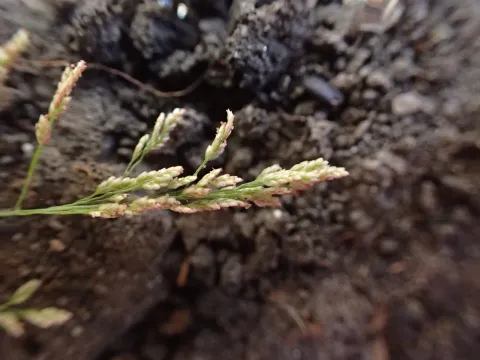
Elegant lovegrass
Eragrostis elegans
Sowing of Eragrostis elegans should take place in late spring, once the soil temperature has consistently reached 15–18 degrees Celsius. Direct sowing into open ground is recommended when the danger of night frosts has completely passed.
What the section contains
Elegant lovegrass
The seeds of this species are extremely small and fine, requiring a shallow sowing method. They should be lightly covered with a thin layer of sand or fine soil to ensure they receive sufficient light to germinate, as light is a critical factor for their successful emergence.
For earlier blooms, seedlings can be started in a greenhouse or indoor environment about 6–8 weeks before the anticipated planting date. This approach helps the plants establish a stronger root system before they are transplanted into the garden.
Maintaining consistent moisture is vital during the germination phase. Covering the seed trays with clear film or glass can help create the necessary humidity, provided that the trays are ventilated daily to prevent fungal issues.
Once the seedlings have developed their second pair of true leaves, they should be thinned or pricked out. Providing adequate space at this stage is essential for preventing competition and ensuring the development of sturdy, healthy stems.
Elegant lovegrass belongs to the Poaceae family and is highly valued for its adaptability. It thrives in locations that receive full sun, which is necessary for the development of its distinctive, delicate-looking inflorescences.
The plant is not overly demanding regarding soil quality but requires excellent drainage. Sandy or loamy soils are ideal, whereas heavy clay soils should be amended with organic matter or gravel to improve permeability and aeration.
Once established, Eragrostis elegans exhibits significant drought tolerance, making it an excellent candidate for low-maintenance landscapes. However, moderate watering during peak summer heat can help maintain its vibrant appearance throughout the season.
Soil pH should ideally be neutral or slightly acidic. The plant does not require high levels of fertilization; in fact, excessive nitrogen should be avoided to prevent leggy growth and to maintain the plant's characteristic compact, airy structure.
Its natural resilience allows it to handle breezy conditions, which is beneficial for keeping the plants dry and free from stagnant air. Proper spacing is important to ensure each plant can effectively access sunlight and nutrients from the soil.
The commercial utility of Eragrostis elegans is primarily centered on its ornamental value for the floral industry. Yield is measured by the number of high-quality panicles produced by each plant per growing season.
With correct planting densities, this grass can provide a high output of decorative stems. Proper management of soil moisture and light exposure is the key to maximizing the number of flowering stalks generated by each clump.
When grown for cut flowers, plants should be spaced at approximately 25–30 centimeters apart. This spacing balances the need for high output with the necessity of maintaining air circulation to ensure the quality of the harvested panicles.
Early-season weed control is crucial for high yields, as the seedlings are not highly competitive. Once the plants are well-rooted, their growth accelerates, and they effectively suppress smaller weeds through dense root growth.
Productivity is also influenced by the length of the growing season. In regions with long, warm summers, the plant can produce multiple flushes of growth, significantly increasing the total number of panicles harvested throughout the year.
Eragrostis elegans is generally a robust plant with minimal susceptibility to pests and diseases. The most significant issues usually arise from poor cultural practices, such as excessive overhead watering or inadequate soil drainage.
Powdery mildew can occur in environments with high humidity and poor airflow. To mitigate this risk, it is important to ensure plants are spaced properly and to water them at the base rather than over the foliage.
In terms of pests, aphids are the most common visitors, particularly in dry conditions. If an infestation occurs, it is recommended to use insecticidal soaps or neem oil, which are effective and have a lower environmental impact.
Spider mites may also pose a threat during prolonged hot, dry spells. Keeping the area surrounding the plants clean and ensuring that plants are not under moisture stress are the best preventative measures against these pests.
Regular monitoring of the plants allows for early detection of issues, which is critical for effective management. Maintaining a healthy growing environment naturally boosts the plant's resistance to most potential pathogens.
Harvesting should be performed when the panicles have reached their full aesthetic maturity but before they begin to shatter or drop their tiny seeds. This timing is essential to ensure the longevity of the dried floral material.
It is best to harvest in the morning once the dew has evaporated. Using sharp shears, the stems should be cut at the base, and the panicles should be handled carefully to avoid damaging their delicate, lace-like structure.
To dry the grass, gather the stems into small bundles and hang them upside down in a shaded, well-ventilated location. This method ensures that the stems dry straight and that the panicles retain their elegant, drooping shape.
The drying process typically takes about 10–14 days. During this time, it is important to avoid direct sunlight, which could bleach the natural color of the inflorescences and reduce their decorative appeal.
Once dried, the stems can be lightly treated with a floral spray or hairspray to help them hold their shape and reduce shedding. Properly processed, Eragrostis elegans can last for an entire season in dried arrangements.