
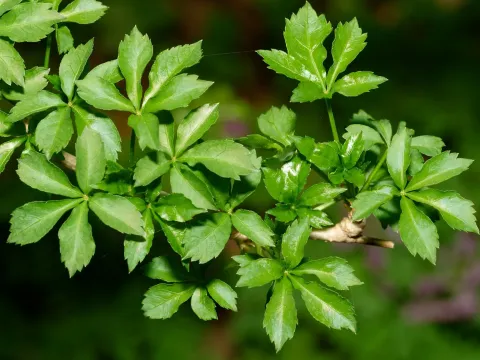
Eleutherococcus sieboldianus
Eleutherococcus sieboldianus
Eleutherococcus sieboldianus is a deciduous shrub belonging to the Araliaceae family. It is widely recognized for its arching, spiny branches and distinctively lobed, glossy foliage that adds aesthetic value to any landscape.
What the section contains
Eleutherococcus sieboldianus
Originating from East Asia, this species has adapted to temperate climates. It performs best in partially shaded positions where it can be shielded from harsh midday sun and strong winds that could dehydrate its leaves.
Cultivation requires well-drained, fertile soil rich in organic matter. While it is relatively tolerant of various soil types, it performs best in slightly acidic to neutral environments with good moisture retention.
Standard agronomic practices include consistent watering during the establishment phase and regular feeding with balanced fertilizers to support vigorous growth throughout the vegetative season.
The plant is commonly used for hedge formation or as an architectural specimen in public and private gardens, valued for its durability and structural elegance.
The primary threats to this shrub include fungal diseases such as leaf spots, which often develop under conditions of high humidity and poor ventilation among the dense branches.
Pests like aphids and spider mites may target new growth during hot and dry spells. Regular monitoring of the underside of leaves is essential for early detection and mitigation.
To prevent root rot, ensuring excellent drainage is critical. Overwatering should be avoided at all costs, especially during dormant winter months when the plant's metabolic rate decreases.
Implementing a proper pruning schedule helps maintain the plant's health by improving light penetration and airflow, which naturally reduces the risk of pest and disease outbreaks.
Cultural controls, including clearing fallen debris around the base and applying organic mulch, significantly contribute to the overall health and resilience of the shrub in a garden environment.