
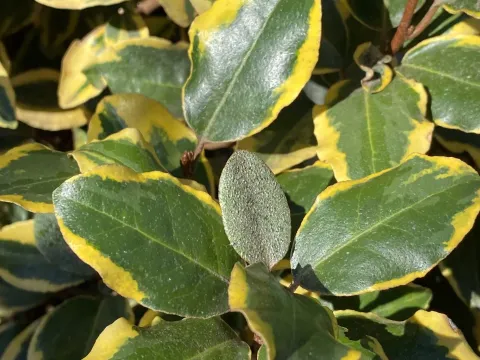
Elaeagnus hybrid
Elaeagnus hybrids
The Elaeagnus hybrid belongs to the Elaeagnaceae family and is widely recognized for its robust growth and ornamental value in diverse agricultural settings.
What the section contains
Elaeagnus hybrid
Propagation is typically performed through cuttings, ensuring that the specific characteristics of the hybrid are maintained during the development of new plants.
The ideal planting period is early spring, which allows the root system to establish itself thoroughly before the onset of the summer heat.
When selecting a site, it is crucial to ensure excellent drainage and adequate spacing to allow for the natural spread of the shrub as it matures.
During the initial phase of cultivation, maintaining a clean perimeter around the young plants is essential to prevent nutrient competition with weeds.
The Elaeagnus hybrid is highly valued for its exceptional tolerance to drought and its ability to thrive in poor, sandy, or rocky soils.
A distinctive biological feature of this species is its root-nodule symbiosis with nitrogen-fixing bacteria, which enhances soil fertility.
The plant requires full sun exposure to maintain its foliage density and promote optimal growth rates throughout the growing season.
It is wind-resistant, making it a preferred choice for creating windbreaks or shelterbelts in agricultural and garden environments.
While mature plants are highly independent, occasional deep watering during extreme drought conditions can improve overall plant vigor.
The primary agricultural use of the Elaeagnus hybrid involves land reclamation, soil stabilization, and the creation of aesthetic landscape hedges.
The fruit of the plant is edible, though primarily utilized for local niche products rather than large-scale commercial fruit production.
It serves as a significant nectar source, providing essential support to pollinating insects in the surrounding agricultural ecosystem.
Annual maintenance, including light pruning, helps manage the size of the shrub and encourages the production of new, healthy shoots.
Economic output is mostly realized through the sale of high-quality nursery stock used for environmental and urban planning projects.
The Elaeagnus hybrid possesses a strong natural resistance to many common horticultural pests and pathogens, reducing the need for chemical intervention.
However, in poorly ventilated environments with high humidity, plants may occasionally exhibit signs of powdery mildew infection.
Monitoring for scale insects or aphids is recommended, as these pests can occasionally infest branches and affect the health of young shoots.
Integrated pest management strategies focusing on physical removal and environmental control are generally sufficient to manage minor infestations.
- Maintain good air circulation through proper pruning.
- Monitor foliage during humid summer periods.
- Remove any diseased branches promptly.