
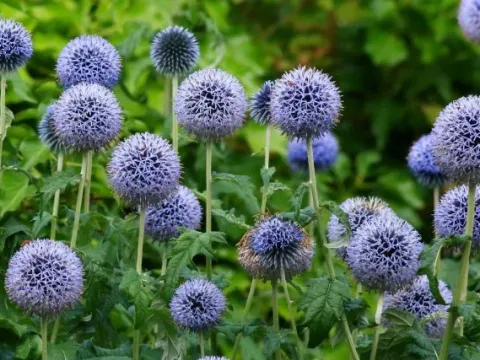
Echinops spinosus
Echinops spinosus
Sowing of Echinops spinosus is typically carried out in early spring when soil temperatures reach at least 10 degrees Celsius. In regions with milder climates, late autumn sowing is also a viable option to leverage natural stratification.
What the section contains
Echinops spinosus
The recommended seeding rate is approximately 1.5 to 2 kilograms per hectare, with row spacings ranging from 45 to 60 centimeters. Seeds should be planted at a shallow depth of 2 to 3 centimeters to ensure optimal contact with moisture.
Effective seedbed preparation is crucial; the soil must be well-pulverized and free of weeds. Proper preparation facilitates germination and allows the young plants to establish their robust root systems quickly.
During the first year, Echinops spinosus primarily focuses on developing a deep taproot and a leaf rosette. The plant typically reaches its full flowering potential and commercial productivity in the second year of growth.
Modern precision drills are recommended for planting to ensure uniform plant distribution, which significantly aids in mechanized weed control and eventual harvesting operations.
Echinops spinosus is a member of the Asteraceae family, well-known for its xerophytic nature and extreme resilience to drought. It thrives in arid environments where other crops often fail due to water stress.
While the plant is not highly demanding regarding soil quality, it performs best in well-drained, fertile sandy loams or chernozems. Excellent drainage is essential, as waterlogging is highly detrimental to the roots.
Sunlight is the primary driver of growth for this species. Consequently, fields should be situated in open, fully exposed areas, as any shading can negatively impact both biomass development and nectar production.
The plant demonstrates high winter hardiness and requires minimal intervention once established. Light applications of potassium-based fertilizers can enhance the plant's structural integrity and stress resistance.
Regular maintenance involves keeping the inter-row spaces free of weeds and maintaining soil aeration, which promotes healthy root development during the establishment phase.
This species is highly valued in apiculture as a superior honey plant. Its ability to secrete nectar under high temperatures makes it a crucial resource for beekeepers in arid and semi-arid zones.
Seed production is another vital commercial output. The seeds are collected for both propagation purposes and the pharmaceutical industry, where compounds like echinopsine are extracted for medical use.
Harvesting should occur when the seed heads turn brownish and begin to dry. Using a combine harvester with adjusted, low-speed settings is necessary to minimize mechanical damage to the seeds.
Echinops spinosus serves as a sustainable crop choice for marginal lands where moisture levels are insufficient for traditional agricultural cereals or high-maintenance crops.
The overall profitability is boosted by low input costs and the plant's inherent ability to thrive in poor soil conditions, making it an attractive option for large-scale cultivation.
The crop is naturally hardy, though it may occasionally suffer from powdery mildew if sown too densely. Improving air circulation by adjusting planting density is the best preventative measure.
Root rot is almost exclusively associated with improper site selection and soil waterlogging. Ensuring that the soil remains well-drained prevents the vast majority of fungal pathogens from affecting the root system.
Insect pests, including specific weevil species, may target developing flower heads. Regular scouting during the budding stage allows for timely interventions if pest populations exceed economic thresholds.
Given the plant's importance to pollinators, the use of chemical insecticides should be strictly avoided during the flowering season to protect bee colonies and preserve local biodiversity.
Integrated pest management strategies focusing on cultural practices, such as proper crop rotation and site management, are the most sustainable ways to ensure long-term crop health.