

Reference · Crops
Elaeagnaceae
The Elaeagnaceae family comprises several species of hardy shrubs and trees, most notably sea buckthorn (Hippophae) and silverberry (Elaeagnus). These plants are recognized in agricultural science for their symbiotic relationship with Frankia bacteria, which fix atmospheric nitrogen in root nodules, allowing the plants to thrive in infertile soils.
16
sections
What the section contains
 Sea buckthorn
Hippophae L.
1 item
Sea buckthorn
Hippophae L.
1 item
 Oleaster
Elaeagnus L.
5 items
Oleaster
Elaeagnus L.
5 items
 Broad-leaved oleaster
Elaeagnus macrophylla
Broad-leaved oleaster
Elaeagnus macrophylla
 Cherry elaeagnus
Elaeagnus conferta
Cherry elaeagnus
Elaeagnus conferta
 Elaeagnus glabra
Elaeagnus glabra
Elaeagnus glabra
 Elaeagnus hybrid
s
Elaeagnus hybrid
Elaeagnus hybrids
 Elaeagnus loureiroi
Elaeagnus loureiroi
Elaeagnus loureiroi
 Elaeagnus submacrophylla
Elaeagnus submacrophylla
Elaeagnus submacrophylla
 Lingaro
Elaeagnus philippinensis
Lingaro
Elaeagnus philippinensis
 Oldham's Silverberry
Elaeagnus oldhamii
Oldham's Silverberry
Elaeagnus oldhamii
 Shepherdia
1 item
Shepherdia
Shepherdia
1 item
 Shepherdia canadensis
Shepherdia gottingensis
Shepherdia gottingensis
Silverberry
Elaeagnus commutata
Shepherdia canadensis
Shepherdia canadensis
Shepherdia gottingensis
Shepherdia gottingensis
Silverberry
Elaeagnus commutata
 Spreading oleaster
Elaeagnus reflexa
Spreading oleaster
Elaeagnus reflexa
 Willow-leaved sea buckthorn
Hippophae salicifolia
Willow-leaved sea buckthorn
Hippophae salicifolia
Marketplace
Products in this section · 12


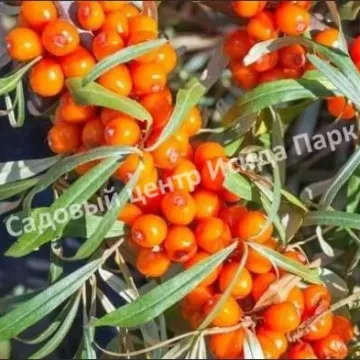
MOSCOW TRANSPARENCY
BOTANIChESKIJ SAD MGU IM.M.V.LOMONOSOVA
Sea Buckthorn
0
0
2 offers
0.29 €per pack
Buy

Elaeagnaceae
Originating primarily from temperate regions of the Northern Hemisphere, these plants exhibit a vast distribution range. They are cultivated globally for their resilience to harsh climatic conditions, including high salinity, strong winds, and extreme cold, making them essential for sustainable agroforestry and soil reclamation projects.
Botanically, members of the Elaeagnaceae family are characterized by peltate scales or stellate hairs that cover leaves and shoots, giving them a distinct silvery or metallic appearance. This feature significantly reduces transpiration, which contributes to their high drought tolerance compared to many other fruit-bearing species.
Agronomic management requires specific attention to site selection, as these crops are strictly heliophilic (sun-loving). They generally prefer well-drained, neutral to slightly alkaline soils. Proper spacing is critical to ensure airflow, which helps mitigate the risk of fungal pathogens that often attack the bark and foliage in humid conditions.
Commercial utility of Elaeagnaceae is significant, spanning from the production of nutrient-dense fruits rich in Vitamin C and antioxidants to ornamental landscaping and windbreak installation. Common pests include fruit flies and aphids, while root rot and verticillium wilt represent the primary pathological challenges requiring integrated pest management strategies.