
Echinopsis subdenudata
Echinopsis subdenudata
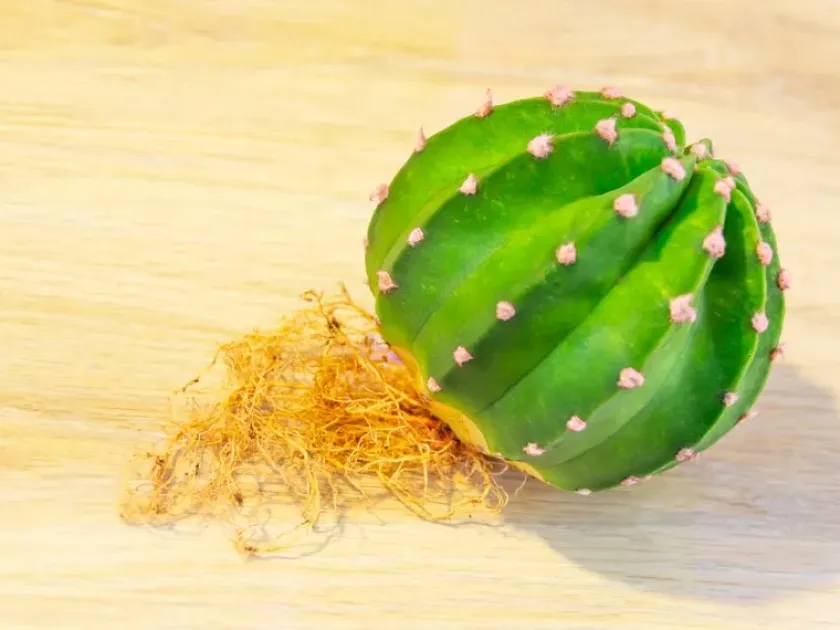
Description
Sowing dates
Propagating Echinopsis subdenudata from seeds requires precision and a stable environment. Spring is the ideal season for sowing, as the increasing light duration stimulates germination and early development.
Seeds should be sown in a light, sterile substrate mixture containing peat and coarse sand. Keeping the soil consistently moist and maintaining temperatures between 22 and 25 degrees Celsius is crucial for success.
Seedlings usually emerge within two to four weeks. During the initial growth phase, they need protection from direct sunlight, which can easily scorch the delicate tissue of the young cacti.
Transplanting (pricking out) should occur once the young plants are robust enough to handle the process. Providing adequate space allows the root system to expand and ensures better air circulation around the base.
Vegetative propagation using offsets is a more common and efficient method for home gardeners. Detach the pups from the parent plant, let the cut surface callus for several days, and then plant in a dry substrate.
Growing requirements
Echinopsis subdenudata is a member of the Cactaceae family, native to the arid highlands of Bolivia and Paraguay. It is evolutionarily adapted to intense light and significant temperature fluctuations.
The primary requirement for successful cultivation is excellent drainage. A substrate composed of loam, leaf mold, and sharp grit ensures that water flows away from the roots, preventing rot.
This cactus demands a high light intensity throughout the year. Placing the plant in a south-facing window or outdoors during the summer months promotes a compact, healthy growth form and vibrant blooms.
A dormant winter period is essential for flowering. During the colder months, the temperature should be kept between 8 and 12 degrees Celsius, and watering must be completely suspended to induce flowering signals.
During the active growing season, watering should be infrequent but thorough. Always allow the substrate to dry out completely before providing the next dose of water to simulate natural desert rainfall cycles.
Main diseases and pests
Root and stem rot caused by overwatering remains the most dangerous threat to Echinopsis subdenudata. Soggy soil conditions quickly destroy the root system and can lead to irreversible damage to the plant.
Spider mites are a common pest in indoor environments with low humidity. They typically settle in the recesses between the ribs of the cactus, causing small, unsightly brown spots on the skin.
Mealybugs are another persistent enemy, often hiding in the white, woolly areoles. Regular inspection and the application of systemic insecticides are necessary to manage infestations effectively.
Poor ventilation can lead to fungal infections and the proliferation of various pests. Ensuring a steady movement of air around the cactus is a simple yet effective prophylactic measure for plant health.
Maintaining hygiene by using sterilized soil and keeping the growing area free of debris helps prevent the spread of diseases. Always isolate any new plants before adding them to your main collection.