
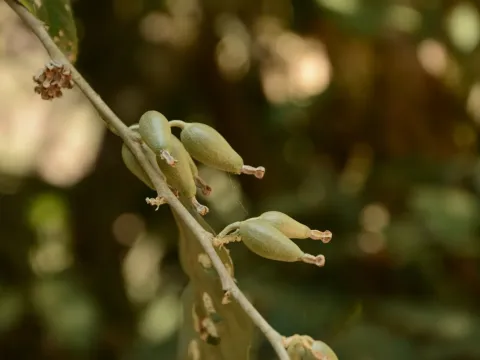
Cherry elaeagnus
Elaeagnus conferta
The planting of cherry elaeagnus should ideally take place in the early spring, once the soil has warmed up and the risk of deep frost has passed. In warmer climates, autumn planting is also possible, provided the plants have enough time to establish their root systems before the onset of winter.
What the section contains
Cherry elaeagnus
Propagation is commonly done through seeds, cuttings, or layering. Seeds require a period of cold stratification, which can take up to four months, making it a slow process. Therefore, cuttings and layering are generally preferred for home gardens and nurseries.
When propagating by layering, low-hanging flexible stems are pinned to the soil. These will develop roots over the growing season, allowing for the creation of new, genetically identical plants that maintain the desired fruit quality of the parent shrub.
Space the plants at least 2.5 to 3 meters apart to ensure adequate airflow and sunlight penetration. Proper spacing is essential to reduce humidity around the leaves, which helps in preventing potential fungal issues while promoting healthier overall growth.
Newly planted shrubs require careful monitoring of soil moisture during their first growing season. Consistent watering and the application of organic mulch around the base will help protect the young roots from temperature fluctuations and prevent excessive weed competition.
Cherry elaeagnus belongs to the Elaeagnaceae family and is highly valued for its adaptability. It thrives in well-drained, sandy or loamy soils with a neutral pH, though it can tolerate a variety of soil types ranging from slightly acidic to slightly alkaline.
One of the most notable features of this plant is its ability to fix atmospheric nitrogen via symbiotic bacteria in its roots. This makes the cherry elaeagnus an excellent choice for improving soil fertility and growing in nutrient-poor conditions.
The shrub is light-demanding and requires a sunny location to produce the best yields. While it can survive in partial shade, the fruit production will be significantly lower, and the plant may become spindly and less productive over time.
Climate adaptability is a strong point for this species. It is relatively drought-tolerant once established, but providing supplemental water during prolonged dry spells during the fruiting season will greatly enhance the size and juiciness of the berries.
Minimal fertilization is generally required for healthy growth. An annual application of compost or well-balanced organic fertilizer in early spring is usually sufficient to support the plant's nutrient needs and ensure a productive growing season.
Fruit production typically begins 3 to 4 years after planting. A mature, well-tended shrub can produce between 8 and 15 kilograms of berries annually, offering a bountiful harvest that is highly appreciated for its unique, sweet-tart flavor profile.
While the plant is often self-fertile, cross-pollination between different varieties can lead to a significant increase in total yield. Planting multiple shrubs nearby is recommended to maximize the amount of fruit produced each year.
The ripening of the berries occurs over several weeks during mid-to-late summer. This staggered harvest is advantageous for personal consumption, as it provides a continuous supply of fresh fruit, although it may require multiple visits to the garden.
Pruning is a vital management task to maintain high yields. By removing old, dead, or inward-growing branches, gardeners can rejuvenate the shrub and ensure that energy is directed towards the development of healthy, fruit-bearing wood.
The total harvest is also influenced by environmental factors during the flowering period. A spring with favorable weather, devoid of extreme cold or excessive rain, is essential for pollinators to be active and effectively set the fruit crop.
Cherry elaeagnus is remarkably resistant to most common garden pests and diseases. This natural resilience makes it an excellent choice for low-input or organic gardening practices, as it rarely requires the use of synthetic pesticides or fungicides.
In rare instances, high humidity combined with poor airflow can lead to leaf spot, a fungal infection. Ensuring proper pruning and maintaining good ventilation throughout the canopy is the best preventative strategy against such ailments.
Insect pests like aphids may occasionally appear on the young tips of shoots. These are generally easy to manage through biological controls or a simple stream of water, as they rarely reach levels that threaten the overall health of the shrub.
Birds are often the most significant challenge during the ripening period, as they are naturally attracted to the bright red fruit. Using netting to cover the shrubs is a practical solution to prevent major crop losses to local bird populations.
Overall, the plant is remarkably robust. By choosing a suitable planting site with good drainage and ensuring adequate light, growers can avoid most typical issues, allowing the cherry elaeagnus to thrive for many years with minimal intervention.
Harvesting is best conducted when the berries are fully mature and have reached a deep, vibrant red color. It is important to pick them gently, as the fruit is delicate and can easily bruise if handled with too much force or stored in deep piles.
Because the berries have a tendency to drop when they become overripe, frequent picking is necessary. Placing a catch-cloth or tarp under the canopy before harvesting can help collect any berries that accidentally fall, ensuring nothing goes to waste.
Fresh berries have a very short shelf life and should be consumed or processed within a couple of days of harvest. For longer-term storage, the fruit can be successfully frozen, which preserves its flavor and nutritional profile for later use.
The berries are highly versatile and can be used to make jams, jellies, juices, or fermented beverages. When processing, it is helpful to note that each berry contains a single seed, which can be easily separated from the pulp during the cooking process.
Proper packing is essential for transporting the fruit. Using shallow containers helps prevent the berries from being crushed by their own weight, allowing them to remain in good condition until they are ready to be prepared or sold.