
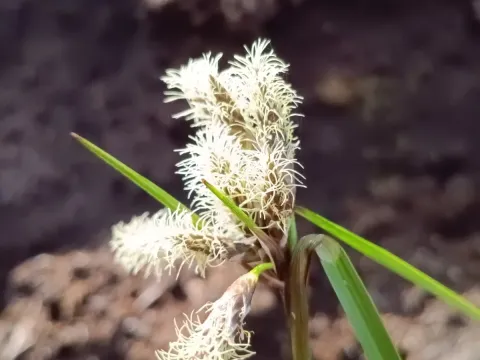
Common cottongrass
Eriophorum angustifolium
Common cottongrass (Eriophorum angustifolium) is a perennial herbaceous plant belonging to the Cyperaceae family. It is widely recognized for its distinctive white, cotton-like bristles that appear after flowering, making it a key species in wetland ecology.
What the section contains
Common cottongrass
The cultivation requirements of this plant focus on hydrological stability. It thrives in waterlogged conditions, including bogs, fens, and marshy meadows, where the water table is consistently high throughout the growing season.
Soil preferences lean towards acidic, nutrient-poor substrates, particularly peat bogs. The plant is highly effective at binding loose peat surfaces and preventing erosion in areas affected by peat harvesting or other anthropogenic disturbances.
Optimal growth is achieved in sunny, open areas. While the plant can survive in partially shaded conditions, full sunlight encourages more prolific seed production and denser root formation, which is crucial for habitat restoration projects.
Economically, while not a conventional agricultural crop, it is utilized in environmental engineering for biofiltration and for the stabilization of wet soils, demonstrating significant value in ecological engineering and land reclamation.
Common cottongrass is notably resilient and rarely subjected to agricultural diseases that impact conventional field crops, thanks to its specific adaptation to boggy ecosystems.
The most significant threat to the species is large-scale land drainage. When the hydrology of a bog is disrupted and the water table drops, the plant quickly loses its competitive advantage and dies off.
Pest pressure is minimal under natural conditions, though occasional damage from small insects or larvae might occur during the emergence of young shoots in early spring.
Fungal infections can occasionally manifest as leaf spots if the plants are maintained in stagnating, overly crowded conditions with poor air circulation, though this is rarely an economic issue.
Management strategies for this plant focus on preservation of its natural habitat rather than active chemical control of pests or diseases, ensuring the maintenance of the necessary hydraulic regime.