
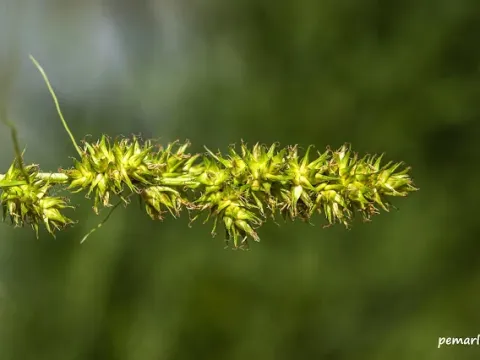
Copper sedge
Carex cuprina
Copper sedge (Carex cuprina) is a resilient perennial belonging to the Cyperaceae family. It is widely valued in agricultural landscaping for its distinct foliage color and ability to adapt to various moisture levels.
What the section contains
Copper sedge
Propagation is most efficiently achieved by dividing mature clumps during the spring or early autumn. This ensures the root system establishes firmly before the onset of extreme seasonal temperatures.
Seed sowing requires stratification to improve germination rates. Seeds should be sown in a well-draining potting mix, keeping the medium consistently moist but not waterlogged until emergence.
Planting density is crucial for aesthetic and biological success. Spacing plants approximately 12 to 16 inches apart encourages optimal air circulation, which prevents the development of fungal pathogens.
Economically, this species is utilized for soil stabilization, especially in erosion-prone areas or as a decorative component in water-wise garden designs.
Carex cuprina thrives in full sun to partial shade. While it tolerates various soil types, it performs best in soils rich in organic matter that retain moderate moisture without being perpetually saturated.
The soil should be slightly acidic to neutral. In clay-heavy soils, it is recommended to incorporate sand or compost to improve drainage and encourage deeper root penetration.
Maintenance involves seasonal pruning of dead or damaged leaves, usually performed in early spring before new growth appears. This keeps the plant tidy and encourages vigorous regrowth.
Fertilization should be handled with care. A balanced, slow-release fertilizer applied in early spring is generally sufficient to support healthy foliage production throughout the growing season.
The plant is relatively hardy but benefits from a layer of mulch in colder regions to protect the crown from extreme frost during winter dormancy.
The primary threats to copper sedge include fungal diseases such as rust or leaf spot, which are often exacerbated by poor ventilation and prolonged periods of leaf surface moisture.
Insect pests like aphids and spider mites can occasionally infest the foliage, particularly during dry, stressful summer months when the plant's natural defenses may be weakened.
Integrated pest management, including regular inspection and the removal of infected parts, is the most effective approach for maintaining plant health without relying on heavy chemicals.
Proper water management is essential; avoiding overhead irrigation during late evening helps keep foliage dry and prevents the proliferation of moisture-loving spores.
Maintaining a weed-free zone around the base of the plant is critical to reducing competition for nutrients and minimizing the risk of hosting alternate hosts for plant pathogens.