
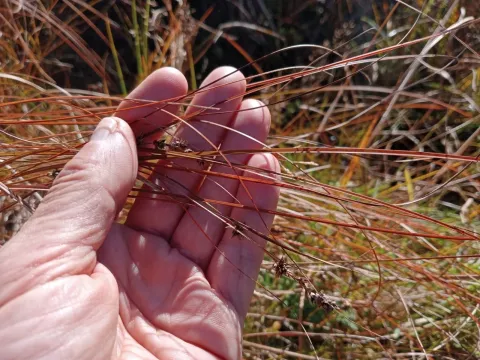
Copper sedge
Carex tenuiculmis
Copper sedge (Carex tenuiculmis) is a perennial grass species belonging to the Cyperaceae family. It is widely recognized for its stunning bronze-colored foliage, which makes it a popular choice in modern landscape design.
What the section contains
Copper sedge
Native to New Zealand, this plant thrives in environments that offer moderate sunlight and well-draining soil. It prefers loose, loamy, or sandy soil textures that provide adequate aeration to the delicate root system.
The plant requires consistent moisture but is highly sensitive to waterlogged conditions. Ensuring a high-quality drainage layer is critical when planting, especially in heavier soil types, to prevent root rot.
Climatic adaptability is moderate; Copper sedge performs best in temperate climates. In colder regions, protection during the winter season is advised to preserve the plant's health and coloration.
Maintenance involves regular weeding around the base and consistent, light watering during dry summer months. Avoid overhead irrigation, as damp foliage can sometimes encourage the development of fungal pathogens.
The primary use of Copper sedge is in decorative gardening and horticulture. It serves as an excellent architectural plant for rock gardens, container arrangements, and mass plantings in decorative borders.
Propagation is most successfully achieved through division of the root ball. This process is best performed during the spring, allowing the plant to establish itself before the heat of the summer arrives.
In nursery production, plants are typically grown in containers to ensure portability and uniform growth. Regular feeding with balanced, slow-release fertilizers helps maintain the deep bronze color of the leaves.
Spring maintenance also requires cleaning out old, dead leaves to keep the clump looking fresh and tidy. This simple practice significantly enhances the aesthetic value of the planting.
While not a traditional agricultural crop, Copper sedge is a significant commodity in the ornamental plant trade. Its unique visual characteristics ensure stable demand among landscaping professionals.
Copper sedge is generally robust but can be prone to fungal issues if soil drainage is compromised. Symptoms such as brown spots or yellowing foliage should be treated with appropriate fungicides.
Root rot is the most serious threat, usually occurring due to excessive watering or stagnant water in the soil. Improving the soil structure is the best preventative measure against this condition.
Pests like spider mites may occasionally appear during hot and dry spells. Maintaining a good level of humidity around the plant can help discourage these tiny intruders from taking hold.
Aphids can be an issue on very young plants. Keeping the plant vigorous through proper feeding and location selection makes it much less attractive to these common garden pests.
Sanitation is key to disease prevention. Regularly removing dead organic matter from around the plant's crown helps maintain airflow and prevents the buildup of pathogens throughout the growing season.