
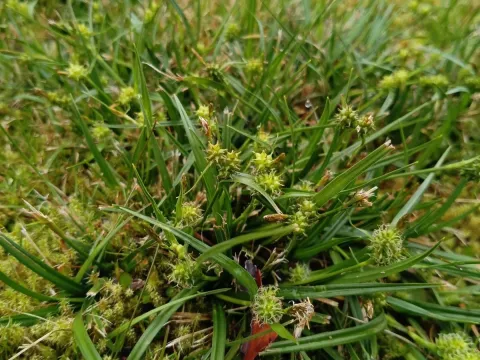
Common green sedge
Carex demissa
Common green sedge, scientifically known as Carex demissa, is a perennial herbaceous plant belonging to the Cyperaceae family. It is native to various regions of Europe and is well-adapted to moist and acidic environmental conditions.
What the section contains
Common green sedge
This species is predominantly found in marshes, damp meadows, and along the edges of water bodies. Its biological structure is finely tuned to survive in waterlogged soils where many other agricultural crops would fail due to root rot or oxygen deficiency.
Regarding soil requirements, this plant thrives in acidic to neutral substrates that retain moisture throughout the growing season. While it is hardy, it benefits significantly from the consistent presence of groundwater or high rainfall patterns.
In terms of agrotechnical management, cultivators should prioritize maintaining high soil humidity. Unlike traditional cereal crops, Carex demissa does not require intensive fertilization, making it a sustainable option for marginal agricultural land.
The plant serves an important role in ecological restoration and provides a stable, although coarse, forage source for livestock grazing on wet, unimproved grasslands during periods when other feed is scarce.
The main pathological threats include fungal infections such as rusts and various leaf spots. These diseases typically manifest during periods of stagnant humidity and poor ventilation within the dense sedge foliage.
Pest threats are generally limited, but occasionally, larvae of specific stem-boring insects may affect the density of the crop. Sustainable pest management focuses on maintaining a balanced ecosystem to naturally suppress these populations.