
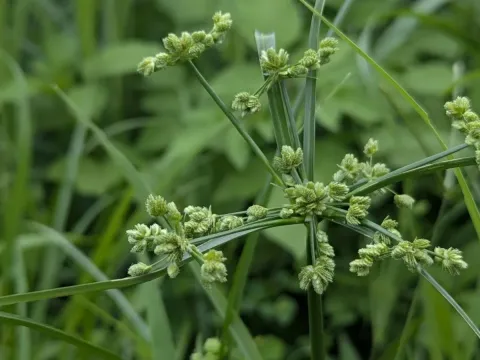
Tropical flatsedge
Cyperus surinamensis
Tropical flatsedge (Cyperus surinamensis) is a herbaceous perennial belonging to the Cyperaceae family. It is recognized for its adaptation to wetland environments and its ability to thrive in soil conditions that are typically unsuitable for traditional cereal crops or row farming.
What the section contains
Tropical flatsedge
The native range of this species extends across the tropical and subtropical regions of the Americas. It is commonly found in marshes, along riverbanks, and in drainage ditches, indicating a strong preference for high moisture availability and consistently humid environmental conditions.
From a botanical standpoint, the plant is characterized by its triangular stems and compound umbel inflorescences. The root system is fibrous and aggressive, which enables the plant to establish itself firmly in muddy substrates and contribute to soil structure stabilization in wet habitats.
Climate and soil requirements are strictly linked to moisture retention. Cyperus surinamensis prefers full sun exposure to maintain high photosynthetic rates, which directly correlates with biomass accumulation. It tolerates acidic to neutral soil types, provided they remain waterlogged or damp.
Regarding its utility, the plant serves as a source of biomass in specific ecological projects and can be utilized for soil erosion control in water-rich agricultural zones. In some regions, its fibrous structure is explored for potential use in artisanal weaving or organic matting materials.
The primary threats to Cyperus surinamensis include fungal pathogens such as rusts and leaf spot diseases. These organisms thrive in high-humidity microclimates typical of dense flatsedge stands, often leading to reduced leaf area and diminished plant vigor.
Insect pests include various lepidopteran larvae that bore into the stems, damaging the vascular tissues. Additionally, sucking insects can cause stunted growth by depleting the plant's nutrient resources during the active vegetative growth phase in the summer.
Disease management strategies focus on maintaining optimal plant spacing to promote airflow, which helps keep the foliage dry enough to inhibit fungal spore germination. Selective pruning of heavily infected stems is an effective cultural practice to stop the spread of localized outbreaks.
The use of integrated pest management (IPM) is essential to minimize chemical reliance. Monitoring for signs of insect activity early in the season allows for targeted interventions, often utilizing organic pesticides that are safe for the surrounding wetland ecosystems.
Invasive management is also a critical consideration. Because Cyperus surinamensis propagates effectively via seeds and rhizomes, agricultural managers must implement strict buffer zones to ensure the plant does not escape cultivation into surrounding irrigation channels or sensitive natural habitats.