
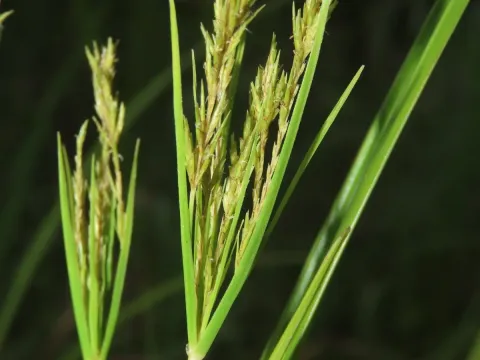
Cyperus nutans
Cyperus nutans
Cyperus nutans is a perennial herbaceous plant belonging to the Cyperaceae family. In tropical climates, it exhibits high vegetative activity, allowing for planting at the onset of the wet season when the soil is optimally saturated with moisture.
What the section contains
Cyperus nutans
Propagation for agricultural purposes is typically carried out vegetatively by dividing rhizomes. The optimal time for planting coincides with rising temperatures, which ensures rapid establishment and growth of new shoots in the warm substrate.
When propagating via seeds, constant moisture is essential for successful germination. Sowing is carried out in prepared beds, maintaining proper planting density to prevent competition between young sprouts for nutrients and sunlight.
The crop possesses excellent regenerative capabilities for its root system. This makes Cyperus nutans useful for stabilizing areas prone to soil erosion, provided that planting dates align with regional climate patterns.
It is important to note that as a true hydrophyte, the planting schedule is heavily dependent on irrigation regimes or natural precipitation patterns characteristic of the cultivation area.
Cyperus nutans has specific environmental requirements, favoring waterlogged soils, marshes, or the banks of water bodies. The plant is well-adapted to high groundwater levels and occasional flooding.
Fertile soils rich in organic matter are ideal for its development. The optimal pH range is from slightly acidic to neutral, which ensures the best absorption of mineral elements necessary for vigorous stem growth.
Climate preferences are limited to tropical and subtropical regions without risk of frost. The plant is highly sensitive to cold temperatures, making stable warmth throughout the growing season a mandatory condition.
Agricultural management includes constant moisture control. During dry periods, intensive irrigation is necessary, as drying out of the rhizomes leads to a significant decrease in biomass productivity and plant vigor.
Cyperus nutans responds positively to nitrogen fertilization. This stimulates active vegetative growth, allowing for higher yield indicators in commercial production compared to unmanaged populations.
The yield of Cyperus nutans depends directly on the water availability and soil fertility. In natural habitats, the plant forms dense stands that provide a significant volume of biomass within a single growing cycle.
Agricultural use includes harvesting material for forage, fiber production, or mulching. With proper management in tropical climates, it is possible to achieve multiple harvests of green biomass per year.
Rhizome quality is another important factor, particularly when cultivated for medicinal or technical purposes. The total root yield depends on the age of the plantation and the consistency of the agricultural care provided.
Intensive fertilization methods are used to maximize biomass collection by increasing stem density. This is crucial for obtaining the best economic return from a plantation during commercial processing.
Average dry matter yield indicators vary depending on the cultivation technology used. Controlled water regimes in specialized nurseries allow for consistently higher results than those found in wild populations.
Primary threats to Cyperus nutans include fungal diseases that develop under conditions of standing water and poor air circulation. Rust or rot infections can significantly reduce both the quality and volume of the harvest.
Among pests, insect larvae that feed on rhizomes and the base of stems cause the most damage. In drought periods, spider mites may appear, weakening the plant and making it susceptible to secondary infections.
Common issues include:
- Gray rot infestation due to excessive humidity.
- Damage to the root system by nematodes in depleted soils.
- Encroachment by aggressive weeds in sparse plantings.
Control measures include proper crop rotation and timely removal of plant debris, which can serve as a disease reservoir. Chemical control should be applied selectively due to the ecological sensitivity of the habitats.
Pest prevention involves selecting healthy planting material and ensuring proper soil aeration, which improves the overall condition of the crop and its resistance to external environmental stressors.
Harvesting is carried out during the phase of active growth, before mass seed production begins. This preserves the nutritional value of the biomass and prevents unwanted self-seeding that could clutter the field.
Mechanized harvesting involves the use of forage harvesters, which ensure a quick cut and shredding of the biomass. For manual harvesting, using a sharp tool for a clean cut is essential to minimize damage to the parent plant.
For rhizome collection, the plant's dormant period is utilized. The roots are carefully excavated, cleaned of soil residues, and prepared for further processing or drying on-site.
After harvesting, the field should be tilled to remove remaining rhizomes and prepare the soil for the next vegetative cycle. In multi-year cultivation, it is important to rejuvenate the plantation to avoid depletion.
Product storage requires strict adherence to temperature and humidity controls. Green biomass must be dried quickly to prevent mold, which is a common problem for succulent sedge stems.