
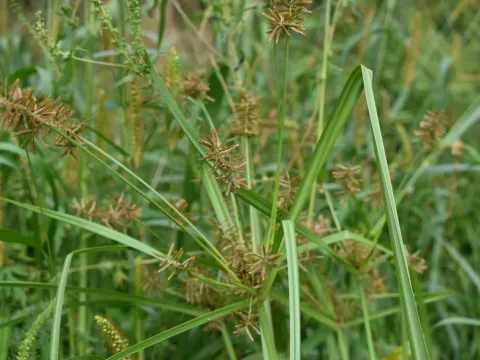
Cyperus orthostachyus
Cyperus orthostachyus
Sowing Cyperus orthostachyus is best achieved through seed propagation, which requires a period of cold stratification to break dormancy and ensure uniform germination. Nursery production is recommended to provide optimal conditions for initial establishment.
What the section contains
Cyperus orthostachyus
The ideal timeframe for starting seeds in a greenhouse setting is early spring. By managing light and temperature, farmers can ensure robust seedlings that are ready for transplanting into permanent water-rich locations once ground temperatures rise.
For direct seeding in field conditions, wait until late spring when the soil and water temperatures have stabilized. Seeds should be placed in shallow moist soil, ensuring they remain in contact with moisture but are not deeply buried.
As a member of the Cyperaceae family, the plant possesses a resilient rhizome system. Once established, vegetative propagation via rhizome division is often preferred for large-scale operations, as it is faster and more reliable than seed germination.
Proper spacing is crucial when planting out. Depending on the intended use, planting density should allow for adequate light penetration and water movement around the stems, which prevents crowding and promotes vigorous growth.
##requirements##This species thrives in high-moisture environments, making it an ideal candidate for riparian zones and wetland agriculture. It requires saturated soils or constant water coverage to reach its full developmental potential.
The plant prefers nutrient-rich alluvial soils or muck with a near-neutral pH. High organic matter content in the substrate provides the essential nutrients needed for rapid biomass accumulation throughout the growing season.
Full sun exposure is a mandatory requirement for Cyperus orthostachyus. While it can tolerate partial shade, optimal growth rates and structural integrity are best observed under direct, unobstructed sunlight.
The species is well-adapted to moderate climates. It remains dormant during the colder winter months and begins rapid shoot development as temperatures increase. It is generally frost-hardy, provided the roots are insulated by water or soil.
Management of the water source is essential. The plant performs best in moving water or areas where water is refreshed, as this helps maintain oxygen levels and prevents the buildup of stagnant toxins in the substrate.
##yield##Yield for this crop is primarily measured in terms of green biomass production. Due to its efficient photosynthetic pathways, the plant can produce high volumes of organic material suitable for various agricultural applications.
Harvesting should occur during the peak vegetative phase, typically just before the plant enters its reproductive stage, to maximize nutrient density. Regular harvesting encourages the development of new shoots and keeps the plantation productive.
The species demonstrates excellent regenerative capacity. With consistent water levels and sufficient nutrients, multiple harvests per season are possible in warmer temperate or subtropical regions.
Nitrogen availability is the most limiting factor for yield. Implementing a nutrient management plan that replenishes soil nitrogen levels significantly boosts biomass production per acre compared to non-fertilized sites.
The economic potential of the harvest is often linked to its use in phytoremediation or as a source of raw fiber. Careful post-harvest processing ensures the quality of the material for its specific market application.
##threats##Cyperus orthostachyus is inherently robust, showing high resistance to most agricultural pests. However, in poorly managed or stagnant systems, fungal infections leading to stem or root rot can occur under high humidity.
Specific insect pests, including certain species of stem-boring beetles, may occasionally impact the plant. These are usually managed through cultural practices rather than the use of chemical pesticides, which are prohibited in many wetland environments.
Prevention is the core strategy for managing threats. Maintaining water quality, managing plant density, and removing excess dead organic matter at the end of the season significantly lowers the risk of pest and disease outbreaks.
Environmental stressors such as sudden changes in water acidity or heavy metal toxicity in the substrate can weaken the plants, making them more susceptible to opportunistic pathogens. Continuous monitoring is essential.
Early identification of discoloration or stunted growth is key to maintaining a healthy crop. If local issues arise, immediate isolation of the affected plants or corrective adjustments to water inflow are typically sufficient to rectify the problem.