
Cyperus obtusatus
Cyperus obtusatus
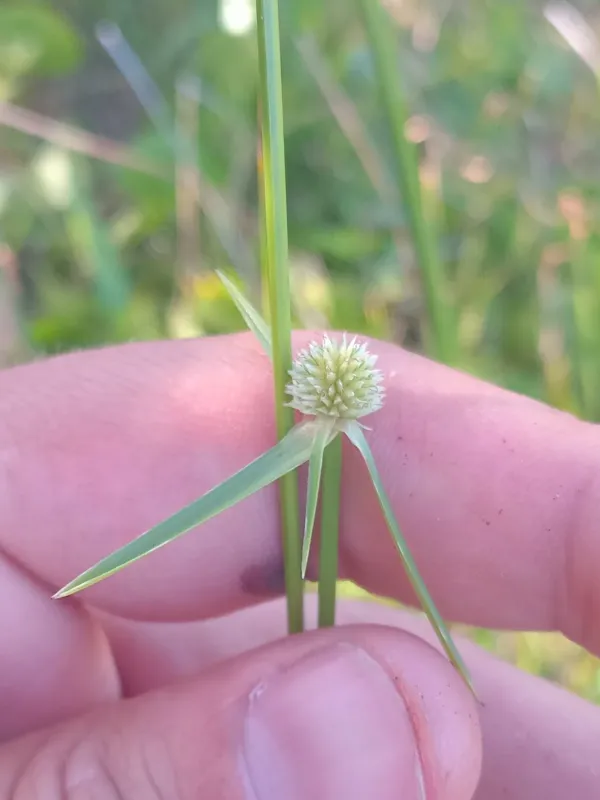
Description
Growing requirements
Cyperus obtusatus is a notable perennial herb belonging to the Cyperaceae family. It is specifically adapted to hydrophilic environments, commonly flourishing along riverbanks, in marshes, and in saturated riparian zones where water availability is constant throughout the growing season.
Botanically, the plant is characterized by its rhizomatous structure, which allows it to stabilize efficiently in loose substrates such as silt, muck, or sandy soils. It relies on a high water table, making it a critical species for maintaining soil stability in areas prone to seasonal inundation.
Regarding climatic requirements, the plant thrives in environments with abundant sunlight and moderate to high temperatures. It lacks significant drought tolerance, meaning that any drop in the water level must be managed carefully to ensure the health of the rhizomes and prevent desiccation of the plant tissue.
Soil management for Cyperus obtusatus involves maintaining a nutrient-rich, wet environment. While it is adaptable to various soil pH levels, its primary requirement is consistent hydration, which supports the intensive metabolic processes typical of this hydrophytic species.
The primary agricultural and environmental use of this species involves its role in phytoremediation and soil stabilization. By planting it around artificial lakes or industrial drainage areas, managers can leverage the plant's natural ability to filter water and prevent bank erosion through its dense, mat-forming root systems.