
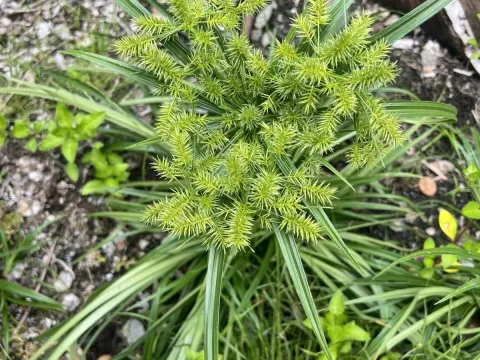
Cyperus meyenianus
Cyperus meyenianus
Cyperus meyenianus is a perennial herbaceous plant belonging to the Cyperaceae family. It is a specialized crop often found in humid tropical and subtropical environments where moisture-rich soil conditions predominate.
What the section contains
Cyperus meyenianus
The plant thrives in warm climates, requiring temperatures consistently above 20 degrees Celsius. It is highly intolerant of frost, which restricts its cultivation to tropical zones or strictly controlled greenhouse environments in temperate regions.
Soil requirements are quite specific: the plant prefers silty or alluvial soils that maintain a high degree of water saturation. Unlike many terrestrial crops, Cyperus meyenianus is highly adapted to temporary waterlogging, which helps it outcompete other weeds.
Abundant sunlight is a critical growth factor. Proper sunlight exposure ensures the development of robust rhizomes, which are the primary agricultural goal of this plant species.
Agrotechnical maintenance focuses on ensuring adequate soil fertility and moisture levels. Regular monitoring of the growing medium is essential to prevent soil compaction, which can stunt the development of underground tubers.
The yield of Cyperus meyenianus is measured by the biomass and rhizome quality obtained per hectare. By providing optimal nutrient levels, especially phosphorus and potassium, farmers can maximize the density of the underground crop.
Yield stability depends heavily on irrigation management during dry spells. Providing consistent moisture ensures that the plant avoids dormancy and continues to invest energy into the expansion of its root system.
Typical diseases include root rot caused by stagnant water contaminated with pathogens. Maintaining good field hygiene and proper drainage channels can significantly reduce the incidence of fungal outbreaks.
Pests such as nematodes and various subterranean beetles can be major threats. Integrated pest management, including crop rotation and the use of resistant planting materials, is recommended to safeguard the yield.
Harvesting takes place at the end of the growing season when the above-ground foliage begins to brown. This indicates that the plant has ceased growth and redirected all available resources to its underground storage organs.
The process involves mechanical lifting of the rhizomes from the soil. After extraction, the produce is washed, sorted, and dried in well-ventilated areas to remove excess moisture and prevent post-harvest spoilage.