
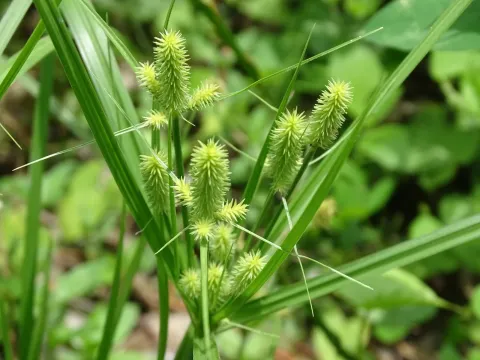
Cyperus mutisii
Cyperus mutisii
Cyperus mutisii is a perennial herbaceous plant belonging to the Cyperaceae family. Originating from the tropical regions of Central and South America, it has adapted to various mountainous and lowland environments, showcasing significant resilience.
What the section contains
Cyperus mutisii
The crop thrives in well-drained soils, although it shows high adaptability to fluctuating moisture levels. It prefers locations with sufficient sunlight to maximize vegetative growth, which is essential for biomass production in agricultural settings.
Temperature requirements for this species are moderate to warm. It lacks tolerance for severe frost, making it best suited for subtropical or tropical climatic zones where growth cycles can remain uninterrupted throughout the year.
Agronomically, Cyperus mutisii is valued for its robust root system, which helps in soil stabilization and erosion control. Its low demand for synthetic fertilizers makes it an attractive candidate for sustainable or low-input farming systems in its native range.
Economic uses of the species are diverse, ranging from its role as a forage crop for livestock to the utilization of its fibrous stalks in traditional handicrafts, weaving, and small-scale cellulosic material production.
The primary agricultural threat to Cyperus mutisii is root rot, which typically occurs in waterlogged soil conditions. Ensuring proper soil aeration and drainage is crucial to prevent the proliferation of soil-borne pathogens and fungi.
Leaf-feeding insects and aphids are common pests that can affect the health and appearance of the crop. In dense plantings, the lack of air circulation can lead to localized humidity, creating a microclimate favorable for rusts or other leaf spot diseases.
Effective management includes regular monitoring and maintaining appropriate spacing between plants. Early detection of pests allows for localized management, preventing the need for broad-spectrum chemical applications.
Mechanical weed control is generally recommended only during the establishment phase of the crop. Once the plant is well-established, its dense growth habit is usually sufficient to outcompete most common field weeds effectively.
Sustainable cultivation strategies prioritize soil health and organic enrichment, which bolster the plant's natural resistance. Maintaining a balanced nutrient profile in the soil helps prevent the physiological stress that often invites secondary pests.