
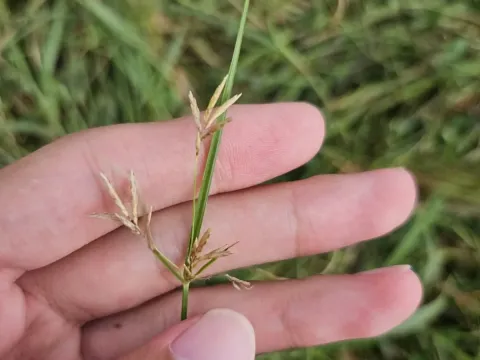
Cyperus mitis
Cyperus mitis
Cyperus mitis is a perennial herbaceous plant belonging to the Cyperaceae family. It is known for its ability to thrive in wet environments and is often cultivated for its robust biomass and ecological benefits in wetland agriculture.
What the section contains
Cyperus mitis
Propagation is typically achieved through division of the rhizomes. This method ensures genetic consistency and provides a higher survival rate compared to seed sowing, especially when establishing large plantation areas.
The ideal planting time is during the spring months when the soil temperature consistently stays above 18 degrees Celsius. Proper hydration is critical immediately after planting to ensure the roots establish firmly in the muddy substrate.
Spacing between plants should be approximately 30 to 40 centimeters, depending on the specific goal of the plantation. A consistent layout allows for better airflow and resource allocation among the plants.
While seed propagation is possible, it requires specialized care and greenhouse conditions to achieve successful germination. Seeds should be sown on a wet surface with high humidity levels to mimic the natural marsh environment.
The most important requirement for Cyperus mitis is abundant water availability. This plant is a true hydrophyte, preferring soil that is saturated or permanently waterlogged throughout the growing season.
Nutrient-rich, organic-heavy soils such as silt or peat are preferred. The plant is relatively tolerant of various pH levels but excels in slightly acidic to neutral environments that support rapid vegetative growth.
Full sunlight is essential for the plant to reach its maximum productivity. Shady conditions will significantly decrease the plant's development rate and lead to weaker stems and reduced biomass.
Warm temperatures, ideally ranging between 20 and 28 degrees Celsius, promote the best physiological activity. In regions with cooler climates, the plant may require protection during winter to prevent rhizome damage due to freezing.
Fertilization should focus on organic nitrogen sources to boost green growth. Excess salt accumulation in the soil should be avoided, as it can be detrimental to the plant's long-term health and development.
Cyperus mitis is generally resilient, but it can be susceptible to fungal diseases if stagnant water becomes contaminated or if airflow is severely restricted. Rotting of the base can occur if the water quality is poor.
Pest pressure is usually low, though aphids and spider mites can sometimes target young shoots during dry spells. Regular monitoring of the plant's health is necessary to catch infestations before they spread.
Root rot caused by pathogenic bacteria or fungi is a primary concern in poorly managed, overcrowded plantations. Maintaining adequate water circulation can help mitigate these risks significantly.
Weed control in the early stages of planting is vital. Competing vegetation can easily overtake young Cyperus plants, so regular manual or mechanical weeding is required until the crop is established.
Invasive pests that thrive in wetland ecosystems occasionally cause damage by feeding on the leaves. Integrated pest management strategies, focusing on biological controls, are highly recommended for sustainable cultivation.
Harvesting is usually conducted at the end of the main growth phase when the plant has maximized its nutrient storage. For green fodder or industrial fiber, the aerial parts are cut using mechanical harvesters.
After the harvest, the material should be dried in a controlled environment to maintain quality. Proper ventilation is key to ensuring that the stems do not develop fungal issues during the drying process.
Rhizomes, if harvested for propagation or medicinal extraction, require careful handling. They must be cleaned thoroughly of soil and debris before they are processed or stored in cool, dark conditions.
To ensure the sustainability of the plantation, harvesting should be done in a way that leaves a sufficient part of the root system intact. This allows the plant to regenerate in the following season.
Storage of the processed materials should be in dry containers to avoid rehydration. Regular checks for moisture levels are necessary to prevent the spoilage of the harvested crops.