
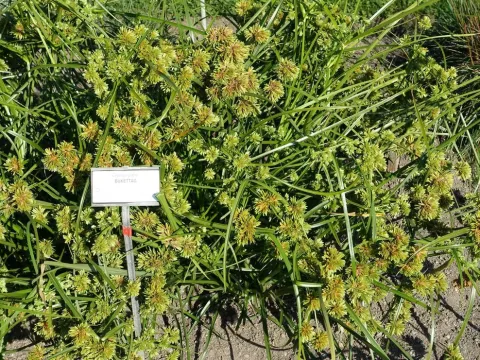
Smooth sedge
Cyperus glaber
Smooth sedge (Cyperus glaber) is a perennial or annual herbaceous plant from the Cyperaceae family. It is naturally adapted to moist, wetland environments where it can thrive in nutrient-rich, waterlogged soils.
What the section contains
Smooth sedge
The plant requires high humidity levels and constant soil moisture for optimal development. It is typically found in alluvial soils near riverbanks and marshes, where it contributes significantly to the local biomass production.
Temperature is a key factor for the growth of Cyperus glaber. It thrives in warm, temperate to subtropical climates and needs a steady supply of sunlight to ensure robust development of its foliage and root system.
Cultivation practices involve maintaining consistent water levels, often requiring controlled flooding techniques. Proper soil preparation, including the incorporation of organic matter, is essential to ensure high productivity.
In terms of usage, the plant is valued for its fiber content, which can be harvested for various craft and industrial applications. Furthermore, it is often utilized in environmental engineering for phytoremediation and soil stabilization.
The primary threats to smooth sedge include fungal diseases that target the root system under poor drainage conditions. These infections can lead to root decay and decreased plant vigor if not managed properly.
Pest pressures are generally manageable, but the crop can be affected by specific insects that thrive in wetland areas. Aphids and certain larvae are the most common pests that can damage the stems and leaves.
To maintain a healthy crop, growers should implement a strict monitoring program to detect early signs of infestation or fungal spread. Early intervention using natural or low-toxicity methods is highly recommended.
Cultural control methods, such as adjusting water levels and managing planting density, remain the most effective strategies for long-term health. Overcrowding should be strictly avoided to ensure proper airflow and light penetration.
In case of severe outbreaks, infected plant material must be removed and destroyed to prevent secondary infection of the entire field. Maintaining ecological balance is key to ensuring the sustainability of the crop.