
Slender-spike flatsedge
Cyperus tenuispica
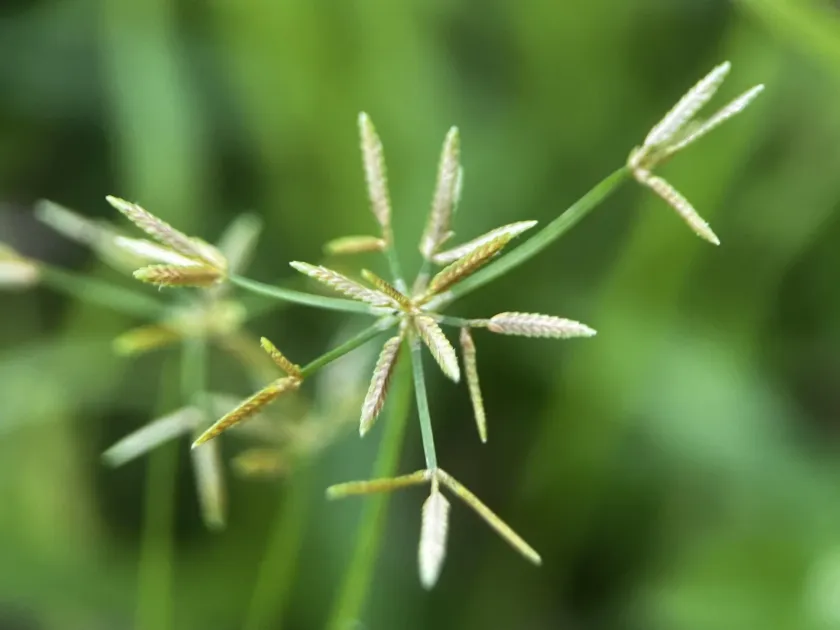
Description
Growing requirements
The slender-spike flatsedge (Cyperus tenuispica) is an annual member of the Cyperaceae family, typically found in tropical and subtropical regions where moist soil conditions prevail.
This crop thrives in marshy environments, riverbanks, and areas with high water tables, requiring consistent moisture to maintain its physiological functions.
Climatic requirements involve stable warm temperatures, as the plant is highly sensitive to frost and does not tolerate long periods of cold exposure during its active growth phase.
Soil quality must be rich in silt and organic matter to provide the necessary nutrients for rapid growth, with a soil pH range that is ideally slightly acidic to neutral.
Agricultural management requires meticulous water level control, as the plant acts as a hydrophyte, preferring saturated soil profiles throughout its entire vegetation cycle.
Yield
The primary agricultural output of Cyperus tenuispica is its biomass, which serves as a supplemental forage source for livestock in specialized wetland farming systems.
Yield metrics show that under optimal nitrogen fertilization, the crop produces high volumes of green fodder that are easily digestible for ruminants.
Harvesting efficiency is maximized when the crop is cut at the early reproductive stage, ensuring the best balance between biomass weight and nutrient content.
Seed harvesting is also practiced in some regions, contributing to the overall productivity of the land, although the vegetative biomass remains the main economic goal.
Incorporating residues into the soil after harvest acts as a natural soil conditioner, increasing carbon sequestration and improving moisture retention for future crops.
Main diseases and pests
Pathogenic threats are mainly associated with moisture-loving fungi, which cause blights and rot when the crop density becomes too high for sufficient air circulation.
Pest pressures include various aquatic insect larvae and root-feeding nematodes, which can significantly damage the root systems and reduce crop vigor.
Management strategies focus on periodic drainage to interrupt the lifecycle of common pests and pathogens that thrive in permanent water conditions.
Integrated pest management (IPM) practices, such as biological control and the use of resistant strains, are recommended to minimize chemical reliance.
Crop rotation remains the most effective prophylactic measure to prevent the buildup of soil-borne diseases that are specific to the Cyperaceae family.