
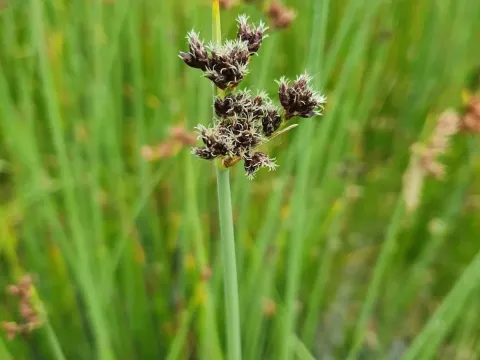
Softstem bulrush
Schoenoplectus tabernaemontani
Sowing or planting of Schoenoplectus tabernaemontani is typically performed in early spring when water temperatures rise above 10 degrees Celsius.
What the section contains
Softstem bulrush
Vegetative propagation through the division of rhizomes is the most reliable method for establishing new plantations or decorative patches.
For seed-based propagation, sowing should be done in a moist, nutrient-rich substrate, ensuring consistent light exposure for proper germination.
The optimal planting depth for rhizome segments is between 10 and 30 centimeters in the soft sediment of a pond or a constructed wetland.
A spacing of 40 to 50 centimeters is recommended between plants to allow for sufficient spread and healthy development of the root network.
The softstem bulrush, a member of the Cyperaceae family, thrives in shallow freshwater environments and is a staple of aquatic landscaping.
This species requires high levels of solar radiation and prefers open, sunny locations to maximize its photosynthetic and filtration efficiency.
The soil should be silty or sandy with a sufficient organic content to provide the necessary nutrients for robust vertical growth.
While tolerant of various water pH levels, it performs best in neutral to slightly alkaline water, which is common in many freshwater systems.
This plant exhibits remarkable cold hardiness, capable of surviving through winters where the surface of the water freezes completely.
The yield of green biomass depends heavily on the nutrient availability in the water column and the density of the initial planting.
In constructed wetlands, the plant exhibits high productivity in filtering nitrogen and phosphorus, effectively converting water pollution into plant mass.
Annual harvesting of the stalks helps maintain plant vigor and prevents the accumulation of excessive decaying organic matter at the bottom.
The rate of biomass production is highest during the peak summer months when water temperatures promote rapid cell division and stem growth.
Sustainable harvesting strategies ensure that the root system remains intact, allowing for perpetual cycles of production over many seasons.
While generally hardy, the softstem bulrush can be susceptible to fungal leaf spots when air circulation is poor or humidity is excessively high.
Stem-boring insects and aphids are the primary pests that may attack young shoots, potentially reducing the overall health of the plant colony.
Root rot caused by stagnant conditions or high concentrations of anaerobic bacteria can weaken the plant's structural integrity over time.
Integrated pest management, focusing on biological controls rather than chemical inputs, is essential for maintaining the health of aquatic ecosystems.
Routine inspection of the planting area is crucial to detect early signs of infestation and prevent large-scale damage to the aquatic vegetation.
Harvesting should ideally take place in late autumn after the plant has translocated its nutrients down into the rhizomes for winter storage.
Cutting the stems should be done carefully, leaving a few centimeters above the waterline to prevent water from entering and rotting the roots.
The harvested stems are valuable as a source of mulch or organic matter for composting, providing a sustainable return of nutrients to the soil.
In decorative gardens, cleaning the stalks in spring is preferred to maintain a tidy appearance and provide space for new, fresh growth.
Proper drying of the stalks is necessary if the material is intended for crafting or decorative purposes, requiring cool, ventilated conditions.