
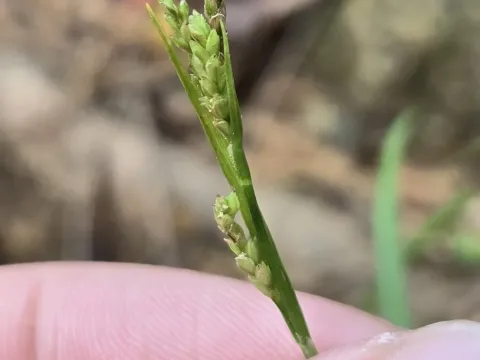
Carex tristachya
Carex tristachya
Carex tristachya, commonly known as three-spike sedge, belongs to the Cyperaceae family. It is a perennial herbaceous plant native to East Asia, including regions in Japan and China. It is highly valued in horticulture for its dense habit and elegant, arching foliage that adds texture to garden designs.
What the section contains
Carex tristachya
This species thrives in moist, well-drained soils enriched with organic matter. While it is adaptable to a range of soil types, it performs best in loamy conditions with a neutral to slightly acidic pH level. Proper drainage is essential to prevent waterlogging during periods of high rainfall.
In terms of light, Carex tristachya is primarily a shade-loving or semi-shade-loving plant. It performs optimally in filtered light conditions where it is protected from the intensity of the midday sun, which can dehydrate the leaves and diminish their vibrant appearance over time.
Regarding climate, the plant prefers temperate conditions with consistent humidity. It demonstrates a reasonable degree of frost hardiness, but in areas with harsh winters, providing a layer of mulch around the root zone helps protect the plant and maintains stable soil temperature during the dormant season.
In landscaping, this sedge is frequently used as a groundcover to suppress weeds and reduce soil erosion. Its ability to form uniform clumps makes it suitable for border plantings, rock gardens, and container arrangements, contributing to a low-maintenance, aesthetically pleasing environment.
The primary threats to Carex tristachya involve fungal infections triggered by stagnant water and poor air circulation. Root rot is a common issue if the planting site lacks proper drainage, leading to yellowing of the foliage and eventual decline of the plant structure.
Pest problems are generally minor, although common garden insects like aphids or spider mites may occasionally infest the plants during periods of drought. Maintaining plant vigor through proper irrigation and periodic monitoring effectively prevents major outbreaks and keeps the foliage healthy.