
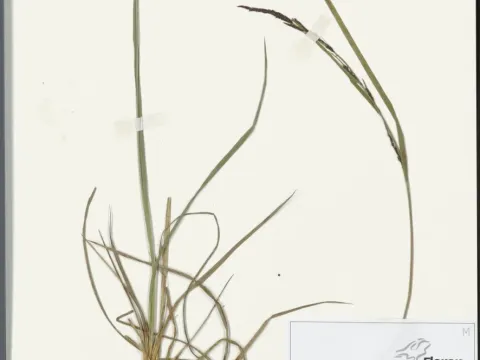
Carex turfosa
Carex turfosa
Carex turfosa is a perennial rhizomatous species, primarily propagated vegetatively through the division of sods. The ideal window for transplanting or establishing new stands is early spring, when the plant is just beginning to emerge from winter dormancy.
What the section contains
Carex turfosa
When using this plant for site reclamation or erosion control, high-quality root stock should be selected. The rhizomes must be planted at a depth of 5–8 cm to ensure firm anchorage and contact with the moisture-rich soil, which is essential for rapid establishment.
For establishing a dense cover, a planting density of 5–7 sods per square meter is recommended. Maintaining soil saturation during the first two weeks post-planting is critical for the plants to successfully recover from transplant shock and begin spreading through rhizome growth.
While natural propagation occurs via seeds dispersed by water and wind, this method is rarely used in agriculture due to low germination rates and unpredictable emergence patterns in non-native or disturbed environments.
In large-scale restoration projects, mechanical planters specifically designed for wet terrain are utilized to transplant sods without disrupting their structure. This modern approach maximizes survival rates and ensures rapid re-vegetation of peat-rich landscapes.
As a specialized wetland species, Carex turfosa thrives in environments characterized by persistent waterlogging. It is ideally suited for low-lying fens, river banks, and marshlands where the water table remains consistently high throughout the growing season.
The plant prefers acidic to slightly acidic peat soils rich in organic matter. Its root system is exceptionally tolerant of prolonged inundation, making it a valuable biological solution for reinforcing river banks and preventing siltation in riparian zones.
Carex turfosa requires full sun for optimal development and tends to decline if shaded by trees or dense scrub. It flourishes at temperatures between +15°C and +22°C, though it exhibits significant cold hardiness, allowing it to survive harsh winters common in temperate peatland regions.
This species is highly efficient at extracting nutrients from poor soils, meaning it does not require significant fertilization. In fact, high levels of nitrogenous fertilizers can be detrimental, potentially causing root damage and encouraging the growth of faster-growing, competing weeds.
Hydrology is the most critical requirement; the plant cannot survive in dry mineral soils without artificial irrigation. Successful cultivation requires a careful evaluation of the site's water balance before planting to avoid complete failure of the stand.
The biomass productivity of Carex turfosa is heavily dependent on the trophic level of the peatland and the water regime. In optimal conditions, it forms a thick sward that provides a sustainable source of roughage or bedding material for livestock.
On average, the dry biomass yield ranges from 2 to 4 tons per hectare per growing season. Productivity can be enhanced by maintaining the water level within 10–15 cm of the soil surface, which prevents the encroachment of competing woody species.
For intensive agricultural use, small applications of nitrogen (no more than 30 kg/ha) can improve green matter output. However, operators must remain cautious to avoid runoff, as excessive nutrient loading can lead to eutrophication in nearby open water sources.
Harvesting should be timed to occur before the onset of the fruiting phase, as this is when the leaves retain the highest concentration of digestible proteins. Once the seeds mature, the stem structure becomes significantly tougher due to increased silica content.
Yield stability is generally high, provided that the site is not subjected to rapid drainage. In managed fens, the integration of Carex turfosa with other native sedges can create a balanced plant community that supports high overall biomass production.
Carex turfosa is generally resilient to many common agricultural diseases, but dense stands can occasionally be affected by rust fungi. These infections manifest as yellow pustules on the foliage, which can impair photosynthesis and reduce total biomass accumulation.
Insect pests, such as larvae of certain moth species, can inflict damage on stems and rhizomes. While native populations usually keep these in check, monoculture stands may require monitoring to prevent localized outbreaks that could weaken the sward.
Nematodes are a potential threat in degraded or poorly managed peatlands, where they infest roots and hinder moisture uptake, leading to stunted growth and yellowing of the foliage. This often occurs when the water table fluctuates significantly.
The greatest threat to Carex turfosa is the artificial drainage of wetlands. Lowering the water table rapidly leads to the replacement of sedge communities by woody vegetation like willow or alder, which effectively destroys the sedge meadow.
Management strategies should focus on maintaining stable hydrological conditions and periodic mowing. These practices serve as natural barriers against unwanted vegetation and help keep the population of Carex turfosa in a healthy, vigorous state.
Harvesting requires specialized equipment, such as tracked mowers or low-ground-pressure tractors, to operate effectively on waterlogged, soft peat soils. Using standard heavy machinery on these terrains risks causing severe damage to the sensitive soil structure.
The prime harvesting window is early summer. Once cut, the biomass should be left in windrows on the site for partial drying; this reduces the moisture content and total weight before it is transported from the field for final storage or processing.
Carex turfosa makes an excellent, highly absorbent bedding material for cattle, keeping pens dry and hygienic. It stores well in bales or stacks provided that there is adequate airflow to prevent internal heating or mold development.
A minimum stubble height of 5–7 cm must be maintained during harvest to protect the plant's growing points. This ensures the survival of the rhizomes and allows for rapid regrowth, maintaining the longevity of the stand for many years.
Timely harvest is essential to prevent the sedge from dropping seeds, which helps maintain the desired plant density. If left unharvested, the accumulation of dead material can eventually lead to a decline in productivity due to increased competition for light.