
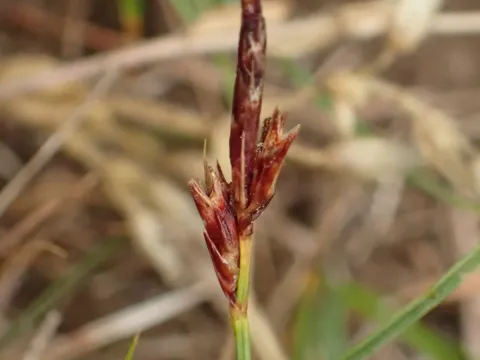
Carex supina
Carex supina
Carex supina, commonly known as dwarf sedge, belongs to the Cyperaceae family. It is a perennial rhizomatous species capable of forming dense mats, which plays a significant role in stabilizing soil structures in harsh environments.
What the section contains
Carex supina
The plant originates from the Eurasian steppe and semi-arid regions. It is highly adapted to dry, sandy, or stony substrates where moisture levels are consistently low, making it a pioneer species for colonizing disturbed or nutrient-poor land.
Climate requirements for this species include high solar radiation and tolerance for continental temperature extremes. It thrives in open landscapes where competition from taller, water-demanding vegetation is minimal or non-existent.
Agricultural management is largely centered on maintaining the resilience of natural grasslands. Its prostrate growth habit allows it to withstand grazing pressure and mechanical stress, which are crucial factors for sustainable land management in arid climates.
The primary use of Carex supina is in phytoremediation and soil stabilization. By securing the topsoil against wind and water erosion, it assists in restoring degraded landscapes and improving the overall stability of grazing ecosystems.
Diseases affecting this species are typically fungal, such as rusts that emerge during unseasonably wet conditions. While resilient, excessive humidity in the root zone can lead to crown rot and reduced biomass production.
Pest threats include specialized insect larvae that bore into the rhizomes or stems, potentially thinning the mat cover. Strategic management involves avoiding overgrazing, which maintains the plant's natural vigor and resistance to infestations.