
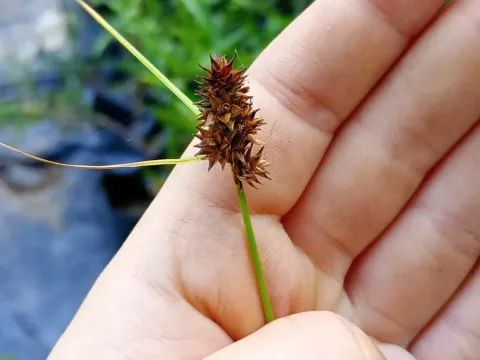
Carex sororia
Carex sororia
Carex sororia, commonly known as a type of sedge, belongs to the Cyperaceae family. It is a perennial herbaceous plant recognized for its ability to thrive in wetland environments, making it a unique candidate for specific agricultural landscapes.
What the section contains
Carex sororia
The native range of this species typically includes moist meadows, marshes, and riparian zones. It is highly adapted to soils with high moisture content and can withstand periodic inundation, which often limits the growth of conventional cereal crops.
Soil requirements involve a preference for organically rich substrates with neutral to slightly acidic pH levels. Proper moisture management is essential, as the species relies on consistent hydration for vigorous root and leaf development.
Climate tolerance is significant; the plant is well-adapted to temperate regions with cold winters. Its resilience to low temperatures makes it an excellent choice for northern agricultural zones where seasonal temperature swings are frequent.
Agricultural management requires attention to site preparation, specifically managing weed competition during the early establishment phase. Once established, the dense root system of the plant typically outcompetes most invasive weeds.
The primary agricultural use of Carex sororia is in soil stabilization and erosion control projects. Its robust rhizomatous root system effectively binds soil, particularly on sloped terrain or banks adjacent to agricultural water bodies.
In terms of forage production, the biomass harvested from this sedge is considered a roughage source. While its nutritional value is lower than traditional grasses, it serves as a functional feed component for livestock when harvested at early stages.
The yield of green biomass is generally consistent over several growing seasons. Regular harvest helps maintain the health of the stand, preventing the accumulation of dead, lignified material that reduces forage quality.
Beyond forage, the plant is utilized in bio-engineering, specifically for constructed wetlands meant to treat agricultural runoff. Its biological ability to absorb excess nutrients helps improve overall water quality on the farm.
The aesthetic application of this species in ornamental agriculture and farm landscaping is also increasing, as it provides a naturalistic look while requiring minimal maintenance compared to ornamental lawns.
Common health issues for this species include fungal pathogens such as rust, which can appear during prolonged periods of high humidity and poor air circulation within the stand.
Pests that occasionally affect the crop include leaf-eating caterpillars and aphids. These typically do not cause crop failure but can lead to significant biomass loss if the infestation occurs during the peak of the growing season.
To mitigate these threats, integrated pest management practices such as crop rotation and mechanical control are recommended. Maintaining optimal plant density is crucial to ensure airflow and reduce humidity levels at the base of the plant.
- Rust disease causing leaf chlorosis.
- Larval infestations damaging the foliage.
- Root damage due to burrowing rodents during winter.
Prevention strategies involve the regular removal of plant debris from the previous season to limit fungal spore survival, ensuring a healthy growth cycle for the following year.