
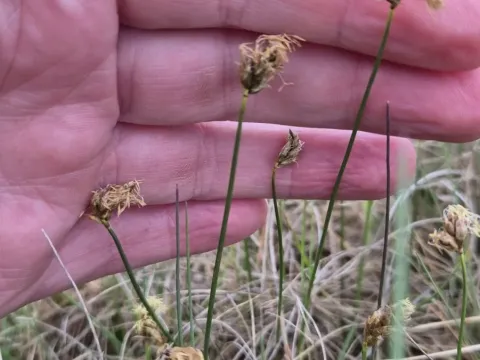
Carex stenophylla
Carex stenophylla
Carex stenophylla, commonly known as the narrowleaf sedge, is a perennial plant belonging to the Cyperaceae family. It is recognized for its rhizomatous growth habit, which allows it to form dense mats and colonize open areas efficiently.
What the section contains
Carex stenophylla
The optimal sowing time is early spring, which allows the plant to establish its root system before the onset of high summer temperatures. The seeds require light and moisture to germinate successfully, making shallow drilling essential.
For agricultural purposes, the seeding rate is determined by the target density of the pasture. Due to the species' ability to spread vegetatively via rhizomes, a moderate seeding rate is often sufficient for full ground coverage within two seasons.
The plant demonstrates excellent vigor during the establishment phase, provided that the soil temperature is consistently above 10 degrees Celsius. Seedling development is steady, and the plant quickly transitions to the tillering stage.
Proper field preparation involves firming the seedbed to ensure excellent contact between the soil particles and the seeds, preventing desiccation of the germinating embryos during the critical first few weeks.
This species is highly valued for its extreme drought tolerance and ability to thrive in challenging soil conditions. It is frequently utilized in arid and semi-arid regions where common pasture grasses would struggle to survive.
It prefers well-drained, alkaline or neutral soils but shows remarkable resilience on saline-alkali sites. These characteristics make it a primary candidate for the rehabilitation of degraded rangelands.
Sunlight is the most critical environmental factor for Carex stenophylla. It requires full sun to maintain high photosynthetic rates and to promote the vigorous development of its extensive underground rhizome network.
The plant is frost-hardy and can withstand significant thermal fluctuations, which is typical for the continental climate zones where it naturally occurs. Its survival strategy involves entering a dormant state during extreme environmental stress.
Management of established stands requires minimal intervention, though periodic fertilization with nitrogen-based amendments can significantly enhance biomass production, especially in pastures managed for intensive grazing.
Like many sedges, Carex stenophylla is susceptible to fungal infections such as leaf rusts, particularly during seasons with high humidity or prolonged rainfall. Ensuring good air circulation in the field is a key preventive measure.
Pest pressure is generally low, but soil-dwelling insects like wireworms can damage the rhizomes, potentially leading to patches of thinner growth. Proper crop rotation is recommended to break pest life cycles.
Stunted growth due to nematode infestation can occur in heavy, poorly drained clay soils. Assessing soil structure and moisture drainage is crucial before planting to mitigate these risks effectively.
Aphids may occasionally attack the tender foliage during the spring growth flush. While rarely causing widespread crop failure, significant infestations can reduce the overall nutritional quality of the forage.
Continuous monitoring during the peak growth season allows for timely identification of these threats, enabling producers to implement targeted management strategies without compromising the sustainability of the pasture.
The harvest of Carex stenophylla for hay should be timed precisely before the flowering phase. During this period, the concentration of proteins and essential nutrients is at its maximum, ensuring high-quality livestock feed.
Mechanical harvesting requires sharp blades to cut through the tough, fibrous stems typical of this sedge. Proper adjustment of the mowing equipment is necessary to avoid damaging the crown of the plant, which is vital for regrowth.
After cutting, the biomass should be dried rapidly to prevent mold development. Given its preference for arid environments, hay curing is generally faster than with traditional meadow grasses, facilitating efficient harvest operations.
Yield management involves alternating cutting intervals to prevent depletion of the root reserves. Over-harvesting can reduce the vigor of the plant, so a rest period during the peak heat of summer is often beneficial.
Properly harvested and stored hay is highly palatable for ruminants. Its durability and nutrient density make it a valuable resource for supplemental winter feeding in regions with cold, harsh winters.