
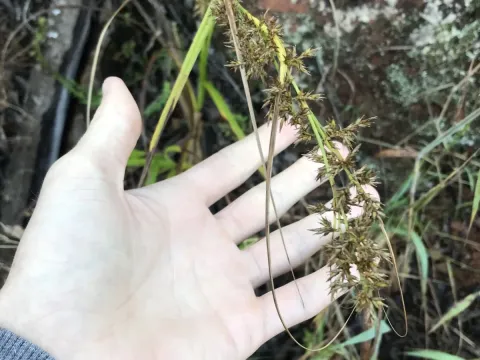
Carex spicatopaniculata
Carex spicatopaniculata
Carex spicatopaniculata belongs to the Cyperaceae family. It is a robust perennial sedge known for its distinct panicle-like spikes and adaptation to water-saturated environments.
What the section contains
Carex spicatopaniculata
The establishment of this crop is usually performed by division of rootstocks during early spring. This ensures rapid acclimatization and vigorous growth before the onset of summer heat.
When propagating via seeds, a cold stratification period is highly recommended to improve germination rates. Seeds should be sown on a prepared moist seedbed, ensuring adequate contact with the soil surface.
Row planting with spacing of 30-40 cm is ideal to prevent overcrowding and to allow for mechanized weeding during the first stages of crop establishment.
Consistent moisture management is crucial during the germination and early development phase, as the young seedlings are particularly vulnerable to desiccation.
This species is a typical hydrophyte, requiring consistent water availability. It thrives in soils that remain saturated for most of the growing season, including bogs and wetland fringes.
The plant prefers slightly acidic, nutrient-rich, organic soils such as peaty or alluvial substrates. High levels of nitrogen naturally present in these soils promote vegetative growth.
While tolerant of partial shade, Carex spicatopaniculata achieves peak productivity under full sun exposure. It is highly resilient to temperate climate extremes, including late spring frosts.
Proper field management includes ensuring that the drainage system is regulated to prevent total soil drying, which would hinder the metabolic processes of the plant.
Fertilization is rarely needed in natural bog conditions; however, in intensive agricultural settings, a balanced application of potash and phosphate helps in maintaining vigor.
The primary agricultural use of this species is in land reclamation and erosion control. Its dense root system effectively binds soil on steep, wet embankments.
Biomass production is significant, reaching 5-8 tons of dry matter per hectare under optimal conditions. The harvested mass is often utilized for mulch or industrial fiber applications.
As a forage crop, it is considered low-grade due to high silica content in the leaves, but it serves as a valuable supplement when processed through shredding or ensiling.
In landscaping, the yield is determined by the aesthetic quality of the inflorescences, making it a popular choice for water garden design and bio-filtration systems.
Sustainable harvesting of the biomass provides a renewable source of organic matter, which can be returned to the soil to improve overall fertility and structure.
The most common pests include specialized sedge-feeding insects that target foliage and emerging stems during the peak growth season.
Fungal infections, particularly rusts, can become problematic during periods of high humidity and poor air circulation within the stand.
Competition from aggressive broadleaf weeds can suppress growth during the first year. Integrated pest management strategies, including timely manual weeding, are essential.
Rodents may cause damage to rootstocks during the winter months when food resources are scarce, potentially impacting the density of the crop stands.
Environmental stressors such as prolonged drought are the primary limiting factors, leading to stunted development and increased vulnerability to secondary pathogens.
Mechanical harvesting using forage harvesters is the standard method for large-scale operations. The timing should be adjusted to avoid the full maturation of seeds to maintain quality.
To ensure quick regeneration of the plant, cutting should be performed at a height of 5-10 centimeters, leaving the base of the shoots and rootstock intact.
Post-harvest management involves careful drying if the biomass is intended for storage, preventing spoilage or the development of mycotoxins due to residual moisture.
In cases of seed production, harvesting takes place in late summer when the spikes turn brown, indicating that the seeds have reached physiological maturity.
Specialized low-ground-pressure machinery is required for operations in wetlands to prevent soil compaction and damage to the underlying root structure of the sedge.