
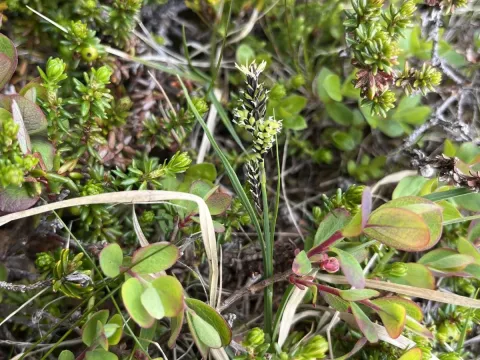
Carex stylosa
Carex stylosa
Carex stylosa, commonly known as the stag-beaked sedge or simply stylosa sedge, belongs to the Cyperaceae family. It is a perennial plant characterized by its hardiness and ability to thrive in diverse northern environments.
What the section contains
Carex stylosa
The plant grows well in moist, well-drained soils, often found in tundra zones, alpine meadows, and around wetland fringes. It is highly resistant to extreme cold, making it a reliable perennial in high-latitude agricultural zones.
Soil requirements typically include a preference for acidic, nutrient-rich substrates. While it tolerates wet conditions, it requires adequate aeration to prevent root rot in stagnant water environments.
Climate adaptation is a key feature of Carex stylosa, as it thrives in short growing seasons. It requires consistent sunlight but can handle the diffused light common in mountain ranges or northern latitudes.
Agronomic management involves selecting appropriate sites that mimic its natural habitat. Proper spacing is essential to ensure that individual plants can access sufficient soil moisture and nutrients.
In terms of agricultural productivity, Carex stylosa serves primarily as a component of natural pastures. It contributes to the overall biomass of high-quality forage in grazing areas.
The yield of green matter is influenced by the density of the stand and the moisture availability during the spring thaw and summer growth phases. It is known for its soil-binding properties.
As a forage crop, it should be harvested at the vegetative stage before inflorescences harden, which maintains high palatability and nutrient density for grazing livestock.
Mixed-sward grazing, where this sedge is present alongside other grasses and legumes, is the most efficient way to utilize the crop, ensuring a balanced diet for animals.
Beyond traditional grazing, this species is increasingly valued for soil stabilization in environmental projects and land reclamation of degraded peat or wetland sites.
Fungal diseases are the primary threats to Carex stylosa, particularly in years with high summer humidity. Rust fungi and various leaf spot pathogens can significantly reduce foliage quality.
Insect pests include various larvae that feed on the sedge's stem tissue. While the plant is generally resilient, severe infestations can lead to stunted growth and reduced seed production.
Competition from invasive plant species is a major concern, as Carex stylosa can be outcompeted in its early developmental stages by faster-growing, nitrogen-loving weeds.
Management strategies should focus on preventive measures, including regular field monitoring for early signs of disease and ensuring soil health to bolster plant immunity.
Overgrazing is another threat that can lead to thinning stands. Controlled grazing rotations are necessary to ensure the plant's long-term sustainability and regeneration capacity.