
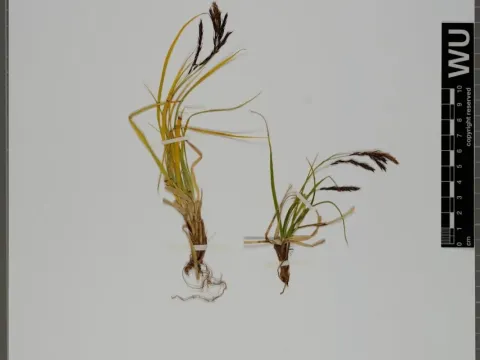
Carex stenantha
Carex stenantha
Carex stenantha is a member of the Cyperaceae family, known for its adaptability as a perennial herbaceous plant. It propagates primarily through seeds and rhizomes, making it a reliable species for long-term vegetation establishment.
What the section contains
Carex stenantha
Sowing should take place in early spring once soil temperatures reach a consistent 8–10 degrees Celsius. Due to the small size of the seeds, they should be sown shallowly, typically at a depth of 1–2 centimeters, ensuring optimal contact with the soil.
In agricultural settings, it is often included in seed mixtures to create robust grassland covers. The success of the initial establishment depends heavily on keeping the seedbed moist and weed-free during the critical germination phase.
The establishment period is marked by slow initial growth as the plant focuses on developing a strong root system. During the first year, management should focus on protection rather than heavy harvesting or grazing.
Seed quality and preparation are essential for achieving uniform germination. Using certified, clean seeds minimizes the risk of introducing unwanted vegetation into the planting site.
This species thrives in moist, well-drained soils, avoiding sites prone to prolonged waterlogging. It performs best in soils with a pH ranging from slightly acidic to neutral, which aligns with its native ecological preferences.
Carex stenantha exhibits strong adaptability to various climatic zones, including high-altitude areas. It is highly cold-hardy and can withstand significant seasonal temperature fluctuations without losing vigor.
Light requirements are flexible, with the plant showing the ability to grow in both full sun and partial shade. This versatility makes it an excellent choice for diverse landscapes and meadow types.
Soil fertility impacts growth significantly. While the plant is hardy, the strategic application of fertilizers, particularly nitrogen and phosphorus, can substantially increase the biomass yield in nutrient-deficient areas.
Management of soil structure is vital to avoid compaction, which can inhibit rhizome development. Regular monitoring of the soil density helps maintain the vitality of the plant stand over many years.
Carex stenantha serves as a valuable forage crop, particularly when harvested or grazed before reaching the full flowering phase. Its nutritional profile makes it a viable option for supplemental feed for livestock.
The yield of green biomass depends on the management regime and site conditions. With appropriate maintenance and fertilization, the crop can support multiple cuts per growing season, providing a stable source of feed.
Beyond forage, the plant is widely used for ecological restoration. Its extensive root system provides exceptional erosion control on slopes and riverbanks, offering a natural solution for land stabilization.
The plant’s longevity is one of its primary agricultural advantages. Under correct management, a healthy stand can persist for over a decade, providing reliable output with minimal annual reseeding efforts.
Industrial applications for the biomass, such as natural fiber production or mulch, are also being explored. Its ability to thrive in diverse environments positions it as a resilient crop for sustainable land use.
Like many sedge species, this plant is relatively resistant to pests. However, poor field management can lead to localized infestations of insects that target the roots, potentially weakening the plant density.
Fungal diseases, such as rust, can emerge during periods of high humidity and heat. These pathogens primarily affect the leaves, reducing the aesthetic value and nutritional quality of the forage.
Proactive disease management involves maintaining proper air circulation by avoiding over-seeding and ensuring the timely removal of dead plant residues from the field during the off-season.
Rodents pose a significant threat during winter months, specifically in areas with tall, ungrazed biomass. Protecting the stand from burrowing animals is necessary to ensure the field’s integrity in the spring.
Regular field scouting is the most effective approach for disease and pest control. By identifying potential issues early, farmers can implement targeted solutions and reduce the need for widespread chemical interventions.