
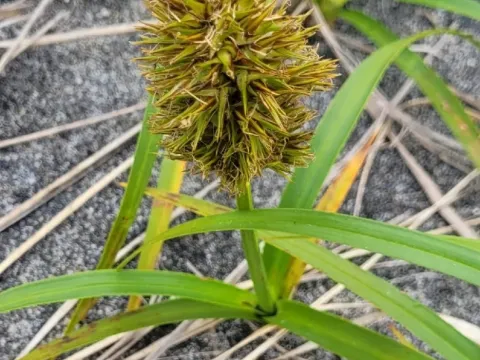
Large-headed sedge
Carex macrocephala
Large-headed sedge (Carex macrocephala) is a perennial herbaceous plant belonging to the Cyperaceae family. It is widely recognized for its robust rhizomatous root system, which plays a critical role in coastal ecosystem maintenance and soil stabilization.
What the section contains
Large-headed sedge
The culture thrives in sandy soils with excellent drainage. It requires full sun exposure and is highly adapted to environments where other plants struggle, such as dunes with high salinity levels and intense wind exposure during the growing season.
Botanically, this species is characterized by its significant inflorescences and deep-reaching rhizomes. These features enable the plant to act as a natural mechanical barrier against soil erosion, making it a valuable asset for agricultural and land management projects.
Climatic requirements are focused on moderate, temperate zones. The plant exhibits high frost tolerance, allowing it to survive harsh winters in exposed areas. Soil moisture management is vital, though it avoids waterlogged conditions to prevent root decay.
In agricultural practice, this sedge is primarily used for phytoremediation and land reclamation. By fixing loose substrates, it creates a favorable microclimate for the succession of other plant species, eventually restoring degraded landscapes.
This species is susceptible to various fungal pathogens, particularly rust and smut, which can cause significant damage under conditions of high relative humidity. These diseases can impair the vitality of the plant and reduce its spread in protected areas.
Pests, such as subterranean larvae and specific coleopteran insects, target the rhizomes of the plant. Such feeding damage can create gaps in the vegetation cover, reducing the overall efficacy of the sand-binding efforts across the field.
Small mammals and rodents may also pose a threat during cold seasons by feeding on the energy-rich underground parts of the plant. Fencing and the reduction of potential habitats for these pests are recommended management techniques.
Effective control involves integrated pest management strategies, emphasizing cultural practices over chemical interventions. Keeping the area free from debris and monitoring for early signs of stress are fundamental for maintaining healthy growth.
When chemical treatment becomes necessary, it is essential to use products that are safe for coastal environments, as these plants often grow in areas where runoff could impact sensitive water resources and local wildlife habitats.