
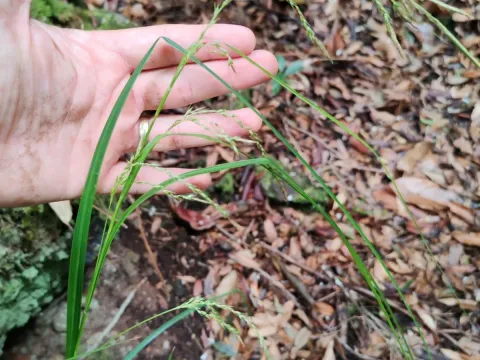
Lowe's sedge
Carex lowei
Lowe's sedge (Carex lowei) is a perennial herbaceous plant belonging to the Cyperaceae family. It is widely recognized in landscaping for its delicate, arching foliage, which adds texture and elegance to various garden styles, especially in shaded or moist areas.
What the section contains
Lowe's sedge
Propagation is most efficiently achieved through the division of mature clumps. The ideal time for this is in early spring as soon as the ground is workable, which allows the plant to establish its root system before the onset of summer heat.
If starting from seeds, they require a period of cold stratification to break dormancy. Sowing should be done in a well-draining seed-starting mix, with seeds pressed lightly into the surface rather than buried deep, as they need light to germinate.
When transplanting into the garden, ensure the spacing is adequate for the plant's mature size to allow for proper airflow. Planting depth should match the level of the root ball to prevent crown rot, which is a common issue for many sedge varieties.
Initial establishment requires consistent moisture. Once the plants have settled, usually within the first few weeks, they become more resilient, but they still thrive best when regular, deep watering is maintained throughout the growing season.
This species performs best in moist, fertile soils rich in organic matter. While it is adaptable, it strictly avoids prolonged dry conditions and extreme waterlogging, so a well-drained but moisture-retentive site is essential for success.
Regarding light conditions, Carex lowei prefers partial shade to dappled sunlight. It can tolerate full shade, but growth may be slower and less dense. Exposure to intense, direct afternoon sun should be avoided to prevent leaf scorch.
The soil pH should ideally be slightly acidic to neutral. If the soil is heavy clay, incorporating organic compost or leaf mold can significantly improve its structure, drainage, and nutrient-holding capacity for better plant health.
Fertilization is minimal but beneficial. A slow-release, balanced fertilizer applied in early spring provides enough nutrients to support the season's growth without encouraging excessively soft, vulnerable foliage.
In terms of climate, the plant is hardy but benefits from a layer of mulch in regions with freezing temperatures. This protects the crown from severe frost heaving and helps retain consistent soil moisture during the spring thaw.
The primary threats to this plant are fungal pathogens, particularly if the environment is too humid or air circulation is poor. Rust and leaf spot may appear if the plants are crowded or kept in excessively damp conditions.
Pests such as aphids and spider mites can occasionally affect the plant, particularly during hot and dry spells. These pests damage the foliage, causing it to lose its vigor and attractive color if left untreated for an extended period.
Early intervention is key. If infestation is detected, using horticultural soaps or neem oil is usually effective and environmentally friendly. For fungal issues, ensuring the foliage stays dry during irrigation is a vital preventative measure.
Slugs and snails can sometimes target young or tender growth. In such cases, physical barriers like diatomaceous earth or copper tape around the perimeter of the planting area can help manage these populations effectively.
Regular maintenance, such as removing any decaying foliage, reduces the chances of pests and diseases taking hold. A clean, well-maintained garden bed is the best defense against long-term health issues for this sedge.
Harvesting for this ornamental grass is primarily related to seasonal maintenance and grooming. The most important cut happens once a year in early spring, just before the new green leaves begin to emerge.
Using sharp, sanitized garden shears, the entire clump should be trimmed back to a few centimeters above the ground. This clearing process removes all the winter-damaged, brown foliage and encourages a flush of vibrant, fresh growth.
If the sedge is used for decorative arrangements or floristry, harvesting individual stalks can be done throughout the growing season. The foliage should be cut cleanly at the base to ensure that the appearance of the remaining clump is not spoiled.
After the spring cut, a light application of compost around the base can provide the necessary energy for the plant to rebound quickly. This simple cultural practice is vital for keeping the plants looking professional and healthy year after year.
Always dispose of the pruned material away from the immediate planting area if there is any sign of pest activity or disease. Proper waste management ensures that your garden remains a safe environment for your healthy plants.