
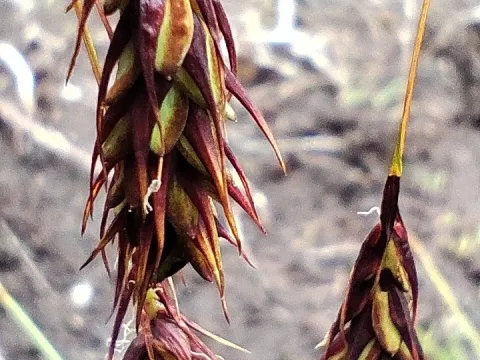
Magellanic sedge
Carex magellanica
Magellanic sedge (Carex magellanica) is a perennial grass-like plant belonging to the Cyperaceae family. It is widely distributed across temperate and boreal regions in both the Northern and Southern Hemispheres, typically found in wet, acidic environments.
What the section contains
Magellanic sedge
The plant has strict requirements for soil conditions. It thrives in high-moisture environments such as peat bogs, fens, and marshy meadows. Acidic soil reaction is preferred, and the plant is highly adapted to substrates with low nutrient availability but high organic content.
Climate requirements for this species include high humidity and tolerance to freezing temperatures. As a plant native to northern latitudes and highlands, it exhibits excellent winter hardiness. However, it requires constant water availability throughout the growing season.
Botanically, Magellanic sedge is characterized by narrow, drooping leaves and lax, pendulous inflorescences. The plants form loose tufts or patches, spreading via short rhizomes. This structural characteristic makes them effective at stabilizing loose, wet soil surfaces.
In terms of practical use, the plant is valued for phytoremediation and landscaping in wetland habitats. It helps to control erosion along the banks of natural and artificial water bodies, providing a naturalistic look while supporting local hydrological stabilization.
The primary threat to Magellanic sedge is the drainage of wetlands and peatlands. When the water table drops, the plant loses its habitat advantage and is quickly overtaken by more vigorous upland plant species.
Fungal pathogens represent the main disease concern, particularly leaf spot diseases that can spread rapidly in stagnant, humid conditions. Proper airflow and avoiding overcrowding are essential for maintaining the health of a sedge patch.
Pests that may affect the plant include various leaf-eating larvae and insects that target the soft tissue of the stems. While usually manageable in natural ecosystems, heavy infestation in cultivated areas might require integrated pest management.
Nutrient toxicity, especially from excessive fertilizers, can impair the root system of Magellanic sedge. Since the plant is adapted to oligotrophic (nutrient-poor) conditions, even minor over-fertilization can lead to growth decline.
Finally, competition from invasive weed species is a significant threat during the establishment phase. Keeping the area free of aggressive grasses is vital for the long-term success of the Magellanic sedge colony.