
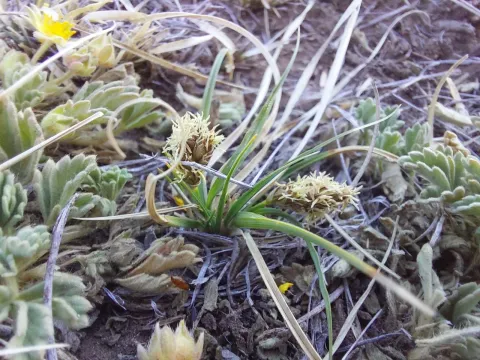
Carex duriuscula
Carex duriuscula
Carex duriuscula is a perennial species belonging to the Cyperaceae family. It is characterized by a vigorous rhizomatous root system, which allows it to form a dense and resilient turf, making it an excellent candidate for soil stabilization.
What the section contains
Carex duriuscula
This species naturally thrives in open habitats, such as dry steppes and rocky slopes. It has evolved to survive in environments with high climatic volatility, demonstrating exceptional tolerance to both drought and cold winters.
One of the key agronomic advantages of this crop is its high salinity tolerance. It performs well on marginal lands where nitrogen levels might be insufficient for traditional agricultural grasses, showcasing its utility for land reclamation.
Regarding soil requirements, Carex duriuscula prefers well-drained, sandy or light loamy substrates. Excessive moisture or stagnant water is detrimental to its development, as the roots require good aeration to maintain optimal physiological activity.
Agrotechnical management is relatively low-input. Because of its fast-spreading nature via underground stolons, it is highly competitive against weeds. This reduces the need for chemical intervention and makes it a sustainable choice for pasture development.
Fungal pathogens, particularly rust species, are the primary disease threat to this sedge. These fungi typically manifest during periods of high humidity and can significantly decrease the nutritive value and biomass of the forage.
Pest populations, including various aphids and stem-boring flies, can cause localized damage. These insects exploit the succulent parts of the plant, potentially leading to weakened stem development if the infestation is severe.
Soil-borne nematodes are another concern for the long-term health of the root system. They hinder nutrient absorption and weaken the plant, making it more vulnerable to secondary stresses like temperature fluctuations or grazing pressure.
Effective management includes rotational grazing, which prevents the over-accumulation of dead organic material. This practice is essential for maintaining a healthy sward and reducing the habitat suitability for various invertebrate pests.
Integrated pest management strategies should focus on biological control and maintaining a vigorous, well-nourished stand. Proper nitrogen management helps the plant overcome minor pest pressure by stimulating faster vegetative regrowth.