
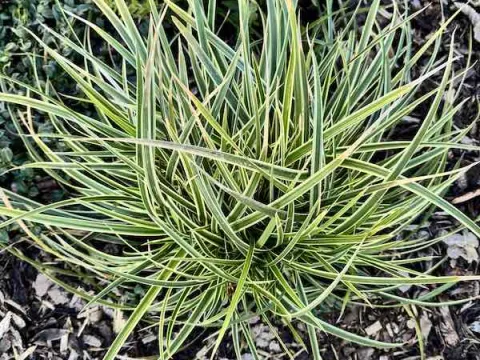
Carex foliosissima
Carex foliosissima
Carex foliosissima is a perennial herb belonging to the Cyperaceae family. Originating from East Asia, this species is highly valued for its dense, leafy clump-forming habit. Its natural habitat includes woodland margins and slopes, where it benefits from high humidity and stable environmental conditions.
What the section contains
Carex foliosissima
The crop thrives in partial shade, as excessive direct sunlight can scorch the fine foliage during the summer months. It is essential to maintain consistent moisture levels in the root zone, although waterlogged conditions must be avoided to prevent root rot, particularly during the dormant season.
For optimal performance, the soil should be rich in organic matter and possess excellent drainage characteristics. While the plant is adaptable to various soil types, a slightly acidic to neutral pH is ideal for nutrient uptake. Incorporating well-rotted manure during the spring promotes vigorous growth.
In terms of agricultural and horticultural utilization, Carex foliosissima serves as a premier ornamental grass. It is widely used in landscape design to create texture, ground cover, and border interest. Its ability to maintain a tidy appearance makes it a preferred choice for residential and public gardening projects.
Cultivation practices involve spring maintenance, specifically the removal of winter-damaged foliage to encourage fresh, new growth. Propagating this sedge is best achieved through division of the root mass, which should be performed when the plant is not in full flower to ensure successful establishment.
The primary health risks for this species are fungal diseases, such as leaf spot or rust, which typically occur in poorly ventilated or excessively damp environments. Maintaining adequate spacing between individual plants and ensuring the foliage stays relatively dry can significantly reduce the incidence of these pathogens.
Pest issues are generally minimal for healthy, well-maintained specimens. However, occasionally spider mites or aphids may attack plants under severe environmental stress. Integrated pest management strategies, focusing on optimal watering and nutrition, remain the most effective long-term solution against potential pest infestations.