
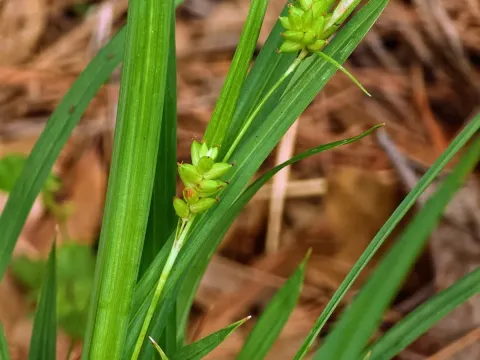
Carex flaccosperma
Carex flaccosperma
Carex flaccosperma, commonly known as a species of sedge, belongs to the Cyperaceae family. It is native to the southeastern regions of North America, where it typically inhabits moist forests, stream banks, and floodplains.
What the section contains
Carex flaccosperma
The plant is characterized by its preference for consistently moist soil conditions. It thrives in loamy or silty soils that are rich in organic matter and possess a stable water-holding capacity throughout the growing season.
Botanically, it forms dense clumps of foliage. The leaves are typically broad for a sedge, providing a lush appearance. Its root system is fibrous and aggressive, which is ideal for soil stabilization and landscape engineering.
Climate requirements include a temperate environment. Carex flaccosperma prefers filtered sunlight or partial shade. Exposure to intense, direct midday sun combined with dry winds can result in leaf scorching and stress.
In terms of agricultural and horticultural use, this species is highly valued for its adaptability in wetland restoration and as a groundcover in damp, shaded urban areas where other grasses may struggle to survive.
The primary threats to Carex flaccosperma are fungal pathogens that thrive in dense, stagnant air conditions. Poor drainage can exacerbate root rot, which is often fatal if not identified early.
Leaf rust and various forms of leaf spot are common during periods of high humidity. These diseases weaken the plant's structural integrity and aesthetic value, particularly in ornamental settings.
Pest pressure often comes from leaf-eating insects and aphids that congregate on tender new growth. Aphid infestations can also facilitate the transmission of secondary viral infections.
Management involves ensuring adequate spacing between plants to encourage airflow. If irrigation is used, it should be applied to the soil base rather than overhead to keep the foliage dry.
Integrated pest management strategies should emphasize sanitation, including the removal of dead foliage at the end of the season to eliminate overwintering sites for both pests and spores.