
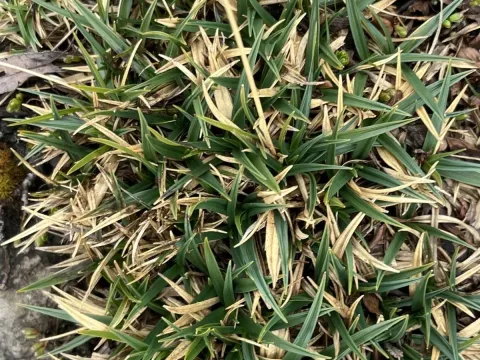
Carex firma
Carex firma
Carex firma belongs to the Cyperaceae family. It is a perennial herbaceous plant naturally occurring in the mountainous regions of Central Europe, particularly the Alps, where it forms dense communities on limestone-based substrates.
What the section contains
Carex firma
This culture is characterized by high ecological plasticity in alpine conditions, preferring sunny or semi-shaded areas. It is capable of withstanding extremely low temperatures and strong winds, which is attributed to its compact tussock growth habit and robust root system.
Regarding soil conditions, the plant has specific requirements: it thrives best in well-drained, alkaline, lime-rich soils. Water stagnation is detrimental to Carex firma, therefore quality drainage and the absence of waterlogging during the winter period are essential for successful cultivation.
From an agrotechnical perspective, Carex firma is not a mass-produced agricultural crop; however, it is of interest as a component in alpine landscaping and the phytoremediation of erosion-prone areas. Its ability to stabilize soil on steep slopes makes it a promising species for anti-erosion measures.
Irrigation should be moderate, taking into account the plant's natural need for fresh but not waterlogged soils. Ensuring air circulation to the roots is a crucial condition, which is why heavy clay substrates are strictly unsuitable for its growth.
The primary diseases affecting Carex firma are associated with fungal infections triggered by poor aeration and excessive moisture. In such instances, the root system may be subject to rot, necessitating the prophylactic use of fungicides during the early stages of vegetation.
Pests for this crop are rarely encountered in alpine conditions; however, in milder climates, the plants may be damaged by certain aphid species or slugs. To protect the plantings, it is recommended to implement comprehensive monitoring and apply environmentally friendly insecticides.