
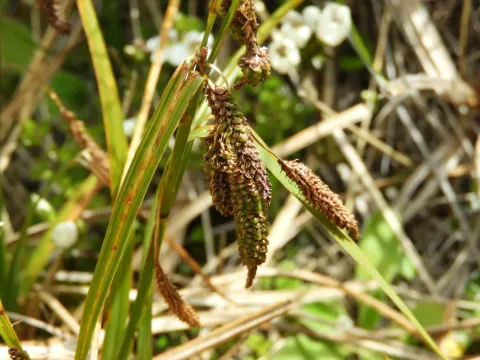
Carex coriacea
Carex coriacea
Carex coriacea is a perennial herbaceous plant belonging to the Cyperaceae family. It is widely recognized for its robust rhizomatous growth habit, which allows it to thrive in waterlogged, marshy, or high-moisture environments where other crops fail to establish themselves.
What the section contains
Carex coriacea
The plant exhibits a remarkable adaptation to soil conditions, preferring heavy clay or organic peat soils with high moisture retention capacity. It can tolerate seasonal flooding, making it an excellent candidate for land stabilization in riparian zones and floodplains.
Climatic requirements are focused on moisture availability rather than temperature extremes. Carex coriacea is highly frost-hardy, surviving cold winters, and it maintains vigorous growth during the temperate spring and summer months under consistent water supply.
Regarding agricultural management, this sedge is often maintained in naturalized meadows or restored wetland areas. Its primary value lies in soil erosion control and as a source of biomass production for low-input agricultural systems in marshy landscapes.
The botanical structure of Carex coriacea is characterized by tough, coriaceous (leathery) leaves which provide durability in harsh environmental conditions. This structural integrity also contributes to the plant's longevity and stability within its habitat.
Carex coriacea displays a high level of natural resistance to standard cereal crop pests, largely due to the high silica content in its foliage, which acts as a physical deterrent against many leaf-chewing insects and larvae.
The primary pathological threats are fungal diseases, specifically rusts and leaf spots, which may proliferate during extended periods of stagnant water combined with high atmospheric humidity. These infections can lead to premature leaf chlorosis and yield loss.
Environmental stress factors, such as extreme overgrazing or premature harvesting, can damage the rhizome system and impede the plant's ability to regenerate. Proper harvest scheduling is critical to maintain the vitality of the sedge stand over multiple years.
Invasive weed species may pose a secondary threat, particularly if the density of the sedge population is reduced by poor management practices. Competition for light and nutrients can displace Carex coriacea in less optimal ecological niches.
Integrated management focusing on proper drainage regulation and rotational usage of the field is recommended to mitigate risks. Keeping the stand healthy through moderate exploitation ensures long-term persistence of the crop in wet environments.