
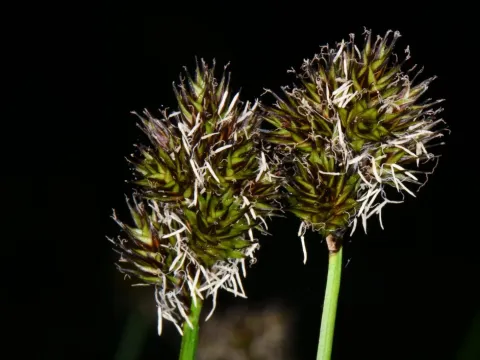
Carex festivella
Carex festivella
Carex festivella, commonly known as festive sedge, is a perennial herbaceous plant belonging to the Cyperaceae family. It is typically propagated through seeds or by division of rhizomes during the early spring season.
What the section contains
Carex festivella
Seed sowing is best performed either in late autumn or early spring, provided the seeds have undergone a cold stratification process. Seeds should be sown at a shallow depth of approximately 0.5 cm, as light is often required to trigger germination.
Vegetative propagation involves dividing mature clumps every 3 to 4 years. This practice is essential for rejuvenation, ensuring the plant maintains its density and aesthetic appeal throughout the growing season.
When establishing mass plantings, a spacing of 30–40 cm between individual plants is recommended. Proper spacing allows for adequate airflow and ensures that each clump develops a healthy, uniform root system.
Germination typically occurs at soil temperatures between 15°C and 20°C. During the first year, it is vital to keep the area clear of competing weeds to ensure that the sedge establishes itself successfully.
This species thrives in sunny locations but is adaptable enough to tolerate partial shade. Full sunlight encourages better development of the inflorescences and more vigorous growth in most climates.
Carex festivella prefers moist, well-drained soils rich in organic matter. While it is not overly demanding regarding soil type, it performs best when the pH levels remain within a slightly acidic to neutral range.
The plant is highly winter-hardy and capable of withstanding significant drops in temperature. It is well-suited for temperate regions, where it remains resilient even during colder months when protected by snow.
During periods of prolonged drought, supplemental watering is required to maintain leaf turgor. However, stagnant water must be avoided, as excessive moisture in the root zone can lead to rhizome decay.
Mulching the base of the plants is a beneficial agronomic practice. It helps retain soil moisture, stabilizes soil temperatures, and prevents weed emergence around the ornamental clumps.
The primary utility of Carex festivella lies in its ornamental value for landscape design and environmental management. Unlike cereal crops, its yield is defined by the vigor and health of its foliage throughout the year.
The species is widely used in urban landscaping, riparian area restoration, and the creation of naturalistic gardens. Its ability to maintain a compact, tidy form makes it a versatile choice for designers.
The dense clumps of this sedge are wind-resistant and maintain their architectural shape, which is highly desirable for modern garden compositions. It serves as an excellent ground cover for rocky slopes.
Carex festivella responds well to post-season trimming. Cutting back old foliage in the spring encourages fresh growth and keeps the plant vibrant and attractive for the upcoming season.
Due to its extensive root structure, this sedge is an effective biological tool for erosion control on embankments. It helps bind soil particles together, preventing runoff and stabilizing slopes effectively.
The most common health issues arise from improper cultural practices, such as excessive moisture or high humidity, which can lead to fungal infections like powdery mildew or various rust diseases.
Pests such as aphids and spider mites can occasionally affect the plant during periods of stress. Early detection through regular monitoring is crucial to prevent infestations from reaching damaging levels.
Root rot is a potential threat if the planting site lacks proper drainage. Ensuring the substrate is free-draining is the most effective preventative measure against such soil-borne pathogens.
Nematodes can cause significant damage to the roots in some environments. Where soil health is compromised, it may lead to stunted growth and leaf chlorosis, necessitating the removal and destruction of affected plants.
Integrated pest management, including the use of targeted fungicides and insecticides, should be combined with good horticultural hygiene to maintain the health and longevity of the sedge plantation.