
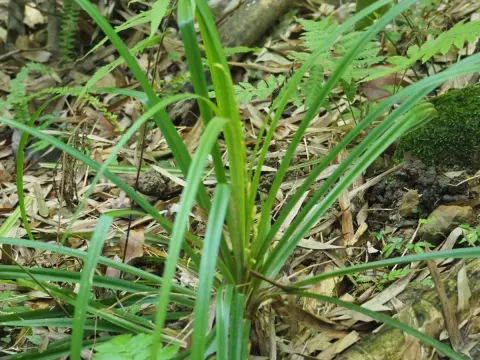
Carex cryptostachys
Carex cryptostachys
Carex cryptostachys belongs to the Cyperaceae family and is a perennial herbaceous plant known for its compact growth habit. Propagation is primarily achieved through division of the root system during the early spring or autumn seasons.
What the section contains
Carex cryptostachys
For seed propagation, cold stratification is necessary for a period of two to three months to break dormancy. Sowing should be done in well-draining soil mixtures, keeping the moisture levels consistent to encourage reliable germination rates.
When planting, it is recommended to maintain a spacing of approximately 30 to 45 centimeters between individual specimens. This spacing allows for proper air circulation and prevents the competition for soil nutrients during the intensive growth phase.
Young plants require supplemental irrigation during the first growing season to ensure successful establishment. Applying a balanced fertilizer in the early spring significantly boosts the development of the foliage and overall vigor of the plant.
Adaptability is a key trait of this sedge, provided that the initial planting site mimics its natural environment. As the plant matures, its root system becomes more robust, increasing the plant's tolerance to various environmental stressors.
The optimal location for Carex cryptostachys is a shaded or semi-shaded area. Excessive exposure to direct sunlight throughout the day may cause leaf scorching or fading of the natural coloration, reducing the plant's aesthetic appeal.
Soil requirements focus on high organic content and moisture-retentive properties. Although the plant is hardy, it thrives best in slightly acidic to neutral soils that are rich in humus and provide adequate drainage to avoid waterlogging.
The species demonstrates good cold hardiness in temperate regions. However, in climates with harsh winter conditions, applying a light layer of mulch around the root zone helps protect the plant crown from freezing temperatures.
Water management is critical for this species. While it enjoys consistent soil moisture, it is important to prevent standing water, which can lead to fungal issues. Regular monitoring of the moisture level is advised during hot summer days.
Regular maintenance of soil structure through the addition of organic compost is recommended. This not only provides essential micronutrients but also keeps the soil loose, which is ideal for the fine root architecture of this sedge.
Slugs and snails are the most common pests for this plant, particularly in humid garden settings. Keeping the area surrounding the plants clean and removing debris can effectively reduce the population of these mollusks.
Root rot is the most serious disease risk, usually triggered by poor drainage or excessive watering. Ensuring that the soil does not stay saturated for long periods is the primary preventive measure against fungal pathogens.
Leaf rust can occur in areas with poor airflow and high humidity. If signs of fungal spots appear, the affected foliage should be removed immediately to prevent further spread of the infection throughout the garden.
Aphid infestations may occur during dry spells, focusing on the tender new growth of the plant. Applying insecticidal soaps or neem oil is usually sufficient to control the population without harming the plant's delicate tissues.
Annual spring cleanup, involving the removal of all dead or damaged foliage, is essential for maintaining plant health. This practice eliminates hiding spots for overwintering pests and prevents the buildup of fungal spores from the previous year.