
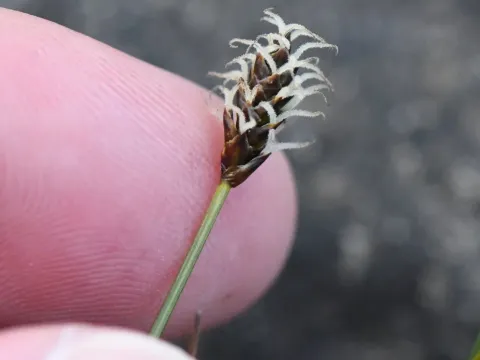
Dioecious sedge
Carex dioica
The dioecious sedge (Carex dioica) is a perennial herbaceous plant belonging to the Cyperaceae family. It is recognized for its adaptation to challenging, saturated soil conditions that are typically unsuitable for common crops.
What the section contains
Dioecious sedge
The native range of this species extends across the temperate and subarctic zones of Eurasia and North America. It thrives in habitats characterized by high moisture levels, specifically fens, peatlands, and wet meadows.
Regarding soil requirements, this sedge demands acidic to neutral peat-rich substrates. It is highly sensitive to water table fluctuations, requiring constant moisture levels throughout the growing season to maintain its root health.
Botanically, it features slender stems rising from creeping rhizomes, forming tight clumps. The leaves are narrow and involute, which helps the plant minimize transpiration while maintaining physiological activity in cold, wet environments.
Economically, the dioecious sedge is utilized in soil bioengineering and landscape restoration. By binding the organic matter in wetlands, it helps maintain the structural integrity of the soil and protects against erosion in peat-based ecosystems.
Agricultural drainage is the primary threat to the dioecious sedge population. By lowering the water table, drainage initiatives inadvertently destroy the specific ecological niche that this plant requires to compete with other species.
Fungal pathogens represent the most significant biotic threat. Species like Puccinia (rust fungi) can proliferate during periods of high humidity and poor air circulation within the densely populated sedge stands.
Pests such as shoot-boring insects and root-feeding aphids can significantly reduce the vitality of the plant. These infestations are often more severe in areas where the sedge is already stressed by inconsistent water levels.
The encroachment of woody plants is a major risk factor in the succession process. Without periodic management or specific hydrological conditions, shrubs can shade out the sedge, eventually leading to its local extinction.
Chemical contamination, particularly runoff containing high levels of phosphorus or nitrogen from adjacent agricultural lands, can alter the nutrient balance of the soil and damage the sensitive root systems of this sedge.