
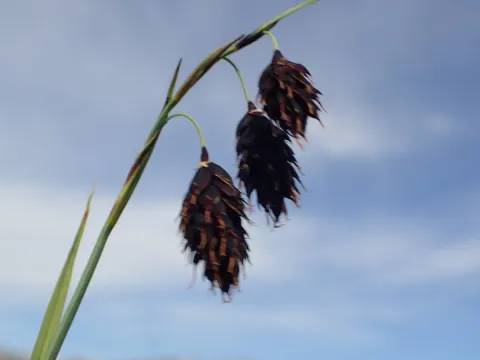
Dark-brown sedge
Carex atrofusca
The dark-brown sedge (Carex atrofusca) is a perennial herbaceous plant belonging to the Cyperaceae family. It is primarily found in Arctic and alpine environments, thriving in moist tundra regions, wetlands, and mountain meadows.
What the section contains
Dark-brown sedge
Botanically, this species is characterized by its rhizomatous growth habit, which allows it to form stable patches in saturated soils. The inflorescence, consisting of dark-brown, nodding spikes, is a defining visual trait of this member of the genus Carex.
The environmental requirements are quite strict: the plant needs consistent moisture and acidic to neutral soil conditions. It is highly adapted to low temperatures and is often found in sites with flowing groundwater, which prevents stagnant water conditions that could be detrimental to its root system.
Agronomically, this plant is not a typical industrial crop, but it plays a vital role in land restoration and erosion control. Its ability to tolerate harsh climatic conditions makes it an excellent candidate for revegetating disturbed wetlands in northern latitudes.
Cultivation practices involve minimal intervention. The focus is primarily on maintaining the hydrological integrity of the site. Introducing this species to managed landscapes requires careful assessment of the site's natural drainage and mineral composition.
The main threats to Carex atrofusca populations are fungal infections, such as rust and leaf spot, which are common in dense stands during periods of high humidity. These diseases can significantly reduce the vitality of the plant biomass.
Pests, particularly soil-dwelling larvae, can damage the rhizomes, potentially leading to plant dieback. However, in natural habitats, natural predators usually keep these pest populations in check, preventing outbreaks.
The most significant threat to the species is the alteration of wetland habitats. Draining of land for agricultural purposes is often lethal to the species, as it lacks the physiological flexibility to adapt to dry-land conditions.
Chemical runoff and pollution represent serious risks to the long-term survival of the plant. Since the sedge relies on clean, flowing water, any contaminants introduced to the site can quickly affect the population health.
Integrated pest management in areas containing this sedge involves monitoring for early signs of fungal growth and ensuring adequate air circulation. Chemical controls are generally discouraged due to the sensitive nature of wetland ecosystems.