
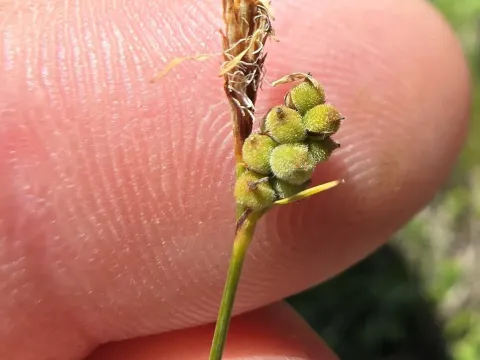
Downy sedge
Carex tomentosa
Downy sedge (Carex tomentosa) is a perennial species belonging to the Cyperaceae family. It is native to Eurasia and is characterized by its distinct pubescent (hairy) leaves, which provide its common English name and unique appearance.
What the section contains
Downy sedge
This species features a creeping rhizomatous growth habit, which allows it to form dense mats. Botanically, it is recognized by its grayish-green foliage and specific shape of the floral spikes, which are covered in soft, white hairs.
The plant thrives in well-drained, neutral to slightly alkaline soils. It is particularly well-adapted to meadows and forest edges where soil fertility is moderate to high, showing good performance in various temperate conditions.
It is known for its high frost resistance, making it suitable for regions with long, cold winters. In terms of moisture, it prefers consistent hydration but does not tolerate prolonged flooding of its root system.
In agricultural practice, downy sedge is used for soil erosion control and as a component of livestock forage mixes. Its structural strength helps in stabilizing loose soils while providing year-round vegetative ground cover.
The primary threats to the health of the downy sedge include rust diseases and powdery mildew, which often develop during periods of high humidity and stagnant air circulation.
Root-feeding larvae and various insects that thrive in grassy habitats are considered the main pests, capable of causing localized damage to the rhizome network.
Managing the density of the crop is essential to prevent the spread of fungal pathogens, as overcrowded plants are more susceptible to disease outbreaks.
Integrated pest management, including regular field inspections and appropriate fertilization, helps maintain the vitality of the sedge population against biological stressors.
Good soil drainage and proper spacing between plants are the most effective preventive measures against major pests and diseases that affect this forage species.