
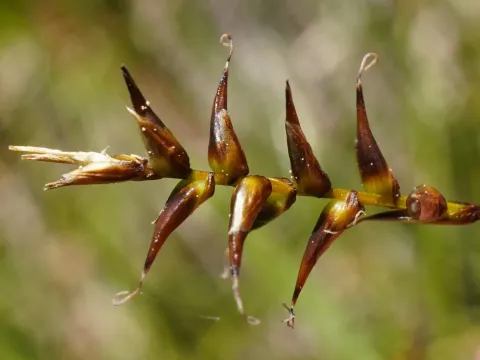
Davall's sedge
Carex davalliana
Davall's sedge (Carex davalliana) is a perennial grass-like plant belonging to the Cyperaceae family. It is a dioecious species naturally found in calcareous fens, wet meadows, and sites with high mineral content in the groundwater.
What the section contains
Davall's sedge
Botanically, it forms dense tufts with slender stems and narrow leaves. The species relies on high-calcium soils, which is a limiting factor for its distribution in common agricultural settings. It thrives in habitats where the water table remains close to the surface year-round.
The plant has specific requirements for climate and soil quality. It prefers cool, temperate conditions and cannot tolerate acidic or stagnant water conditions. Proper oxygenation of the root zone is crucial for the health of these sedge populations.
From an agricultural perspective, cultivating Carex davalliana requires mimicking its natural boggy conditions. Any effort to cultivate this plant must involve monitoring the pH level of the substrate to ensure it remains within a slightly alkaline range.
The growth cycle is relatively slow compared to dominant meadow grasses. Therefore, field management involves light maintenance, focusing primarily on preserving the delicate hydrological balance of the growing site.
The primary threat to Davall's sedge is the drainage of wetlands and peatlands for agricultural or urban development. Loss of habitat is the leading cause of population decline for this specific sedge species globally.
Pathogens affecting this plant are typically fungi that thrive in humid environments. Leaf spot diseases may occur if air circulation is poor, particularly during humid summers when the sedge is actively photosynthesizing.
Insect pests, such as certain species of aphids and larvae, can target the plant's vegetative parts. While not a major commercial pest concern, they can weaken younger specimens and make them more susceptible to subsequent infections.
Competition from invasive plant species represents a significant risk. If the sedge is not managed in a controlled environment, faster-growing weeds can quickly overshadow it, depriving it of essential light and nutrients.
Integrated pest management should focus on cultural controls rather than chemical pesticides. Due to the plant's sensitivity to synthetic chemicals, minimizing the use of herbicides and fertilizers is essential for maintaining the health of the crop.