
Diplacrum
Diplacrum
The genus Diplacrum encompasses a variety of annual sedges belonging to the Cyperaceae family. These plants are scientifically significant due to their adaptation to specific wetland niches, where water availability is constant and often excessive compared to terrestrial habitats.
What the section contains
Diplacrum
Geographically, Diplacrum species are widely distributed across tropical and subtropical regions globally, including parts of Africa, Asia, and Australia. They are predominantly found in marshes, along riverbanks, and in seasonally flooded grasslands where specialized vegetation can thrive.
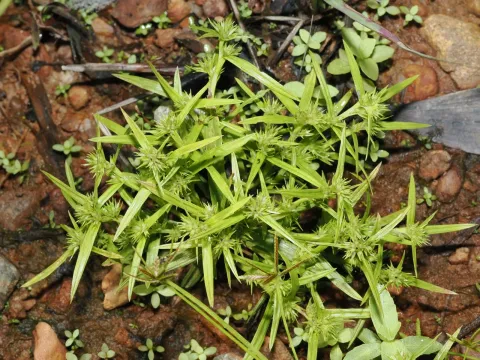
Morphologically, Diplacrum plants exhibit the classic characteristics of sedges, including triangular stems and narrow, grass-like leaves. Their reproductive structures are highly specialized for efficiency in humid environments, allowing for rapid seed production within a single growth cycle.
The environmental requirements for these plants revolve strictly around moisture. They thrive in hydromorphic soils that retain high levels of water. Consequently, they are ecologically tied to wetlands and cannot survive in arid or semi-arid conditions where the soil water potential drops significantly.
In terms of agricultural impact, Diplacrum is not cultivated as a crop. Instead, it is often documented as a common weed in rice paddies and irrigation ditches. Understanding its growth habits is essential for integrated weed management programs in tropical agriculture to prevent yield loss in primary crops.