
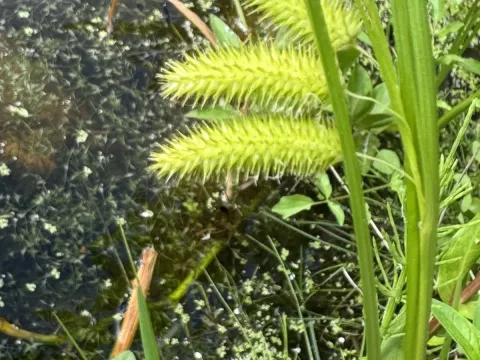
Cyperus-like sedge
Carex pseudocyperus
Cyperus-like sedge (Carex pseudocyperus) is a robust perennial herb belonging to the Cyperaceae family. It is widely distributed across temperate regions of the Northern Hemisphere, often found in marshy habitats, wetlands, and along the margins of stagnant or slow-moving water bodies.
What the section contains
Cyperus-like sedge
This species is highly adapted to saturated soil conditions and can tolerate standing water throughout most of its growing season. From an agricultural perspective, it performs best in soils that are rich in organic matter and have a neutral to slightly acidic pH, which supports vigorous rhizomatous growth.
The plant exhibits a characteristic tufted habit, with stiff, triangular stems that can reach up to one meter in height. Its broad, yellowish-green leaves and distinctive nodding, cylindrical spikes are key botanical features that distinguish it from other sedge species found in similar ecosystems.
Effective cultivation requires managing water levels to avoid long periods of complete drought. In managed systems such as constructed wetlands, the plant serves as a vital component for nutrient uptake, helping to mitigate water pollution by absorbing excessive nitrates and phosphates from agricultural runoff.
Beyond its ecological importance, Cyperus-like sedge has potential in sustainable agriculture for biomass production. The harvested plant material can be utilized for various industrial purposes, including the manufacturing of fiberboards or as feedstock for anaerobic digestion to produce biogas.
Rust fungi are the primary pathogens threatening the health of these sedges. These fungal infections can severely discolor foliage and reduce the plant's overall photosynthetic capacity, particularly in late summer when humidity levels are high and air circulation within the stand is limited.
Pest pressure is relatively low compared to terrestrial crops, but leaf-miners and occasional infestations by aphids can occur. Integrated pest management, focusing on biological control and maintaining site hygiene, is sufficient to manage these threats without the need for intensive chemical applications.