
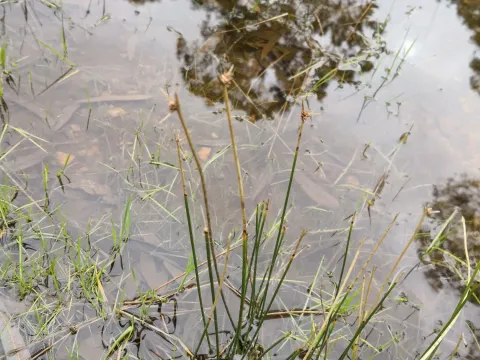
Cyperus vaginatus
Cyperus vaginatum
Propagation of Cyperus vaginatus is primarily achieved through rhizome division. This method is the most reliable way to maintain the specific traits of the species and ensure quick establishment in the planting site.
What the section contains
Cyperus vaginatus
The best time for division is early spring as the plants begin their new growth cycle. Carefully lifting the root clump and splitting it into sections with healthy buds ensures high survival rates for the new plants.
When sowing seeds, which is less common, they should be surface-sown on a moist substrate. Consistent warmth and high humidity are essential until germination occurs, which can take several weeks.
For commercial-scale planting, spacing of approximately 40 to 50 centimeters is recommended. This allows sufficient room for the rhizomes to spread while forming a dense, uniform stand.
Young plants or divided sections must be kept continuously moist until they are well-established. Proper irrigation or maintenance of water levels in aquatic environments is crucial during the first weeks after planting.
Cyperus vaginatus belongs to the Cyperaceae family and is well-adapted to wetland environments. It thrives in soils that remain saturated with water, often acting as a key plant in riparian zones.
This species requires full sun to achieve optimal growth and architectural stability. While it can tolerate partial shade, insufficient light often results in elongated, weak stems that lack the typical resilience of the species.
The ideal soil is rich in organic matter, such as loam or peat-based mixes. It prefers neutral to slightly acidic conditions and benefits from the steady nutrient release found in wetland soils.
Temperature management is critical; the plant prefers warm conditions between 18 and 25 degrees Celsius. In colder climates, it must be protected from freezing, as frost can damage the rhizomes and kill off the foliage.
Water quality is significant, especially in hydroponic systems. Regular flushing of the substrate prevents the accumulation of salts or stagnant water toxins that could inhibit root respiration and nutrient uptake.
Productivity is primarily measured by the biomass yield, which includes the number and height of stems produced per season. A healthy, mature plant can produce dozens of strong stems annually.
In optimal conditions, the expansion rate of the rhizome mat is fast. This allows for frequent harvests of vegetative material while maintaining a productive mother plant population.
Factors influencing yield include nutrient availability and the duration of the growing season. Supplemental fertilization with nitrogen-based fertilizers during the peak season can significantly boost stem production.
The quality of the stems for craft or industrial use is determined by their thickness and maturity at the time of harvest. Older plants generally produce thicker and more durable fiber material.
Yield management also involves thinning the clumps every 2–3 years to rejuvenate the colony and prevent overcrowding, which could lead to reduced vigor and smaller stem diameter.
Fungal pathogens such as rusts and various rot types are the most significant threats to Cyperus vaginatus, particularly in humid, poorly ventilated planting sites or greenhouses.
Pests like spider mites and aphids can become problematic during hot, dry weather. Integrating moisture management with biological control agents effectively mitigates these pest pressures.
Chlorosis, usually caused by nutrient deficiencies or incorrect soil pH, can quickly reduce the plant's decorative and structural quality, requiring soil testing and amendment.
Competition from aggressive weeds during the early establishment phase can severely stunt growth. Implementing a mulch layer or manual weeding is necessary to protect the young sedge colony.
Environmental stress, such as extreme cold or drought, serves as a major threat. Consistent care protocols that maintain moisture and ambient warmth are essential to prevent plant collapse.
The harvest phase focuses on collecting mature stems in late summer or autumn before the onset of senescence. The stems should be cut at the base, leaving the rhizome mass undisturbed.
Post-harvest processing requires drying the stems in shaded, ventilated areas. This prevents the growth of mold and keeps the natural color of the stems intact, which is vital for marketability.
Uniformity in stem length is desirable for industrial use. Sorting the harvested material by diameter and length allows for more efficient post-harvest processing and packaging.
Stems that are not harvested should be managed; removing dead foliage in early spring is necessary to allow new growth to emerge without interference from decaying material.
Proper storage of dried material involves keeping it in dry, elevated areas to avoid reabsorption of moisture, which could compromise the strength and integrity of the fiber over time.