
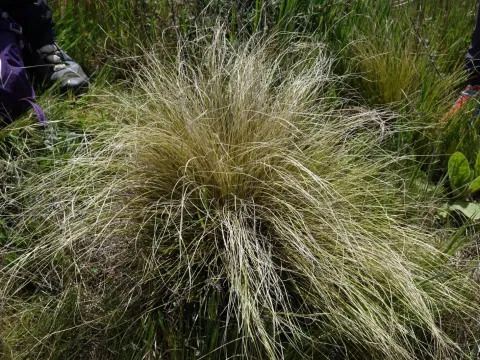
Frosty curls sedge
Carex albula
Carex albula, commonly known as Frosty Curls, is a perennial herbaceous plant belonging to the Cyperaceae family. It is highly valued in horticulture for its dense, fountain-like habit and striking silvery-green foliage.
What the section contains
Frosty curls sedge
The species originates from East Asia, primarily Japan. It typically inhabits moist woodland areas and rocky slopes, which dictates its preference for specific environmental conditions in cultivated settings.
For optimal growth, the crop requires well-draining, moisture-retentive soil rich in organic matter. A slightly acidic to neutral pH is considered ideal for maintaining the plant's structural integrity and vibrant leaf color.
The plant thrives in partial shade. While it can adapt to various light conditions, excessive exposure to hot, direct afternoon sun can lead to leaf tip burn, especially in regions with hot and dry summers.
Management practices should focus on maintaining consistent soil moisture. Although established plants have some drought tolerance, regular watering during dry spells is essential to prevent stress and ensure the decorative foliage remains supple.
The primary threats to Carex albula are fungal pathogens that proliferate in stagnant, high-humidity environments. Poor air circulation around the base of the plant often serves as the catalyst for leaf spot diseases.
Pests, while generally infrequent, may include slugs and snails, which can cause significant damage to the lush foliage during the early stages of the growing season. In rare cases, spider mites can affect plants kept in overly warm, dry conditions.
To mitigate disease risks, routine sanitation is necessary. This involves carefully removing dead or damaged leaves in late winter or early spring to allow for airflow and new growth development.
Chemical control should be reserved for severe infestations. When applying treatments, ensure that fungicides or pesticides are compatible with ornamental grasses to avoid phytotoxicity.
Maintaining a clean growing area by weeding regularly prevents competition and limits the potential for pests to hide near the crown of the plant. Healthy, well-spaced plants are significantly more resilient to biotic stressors.