
Fritsch's sedge
Carex fritschii
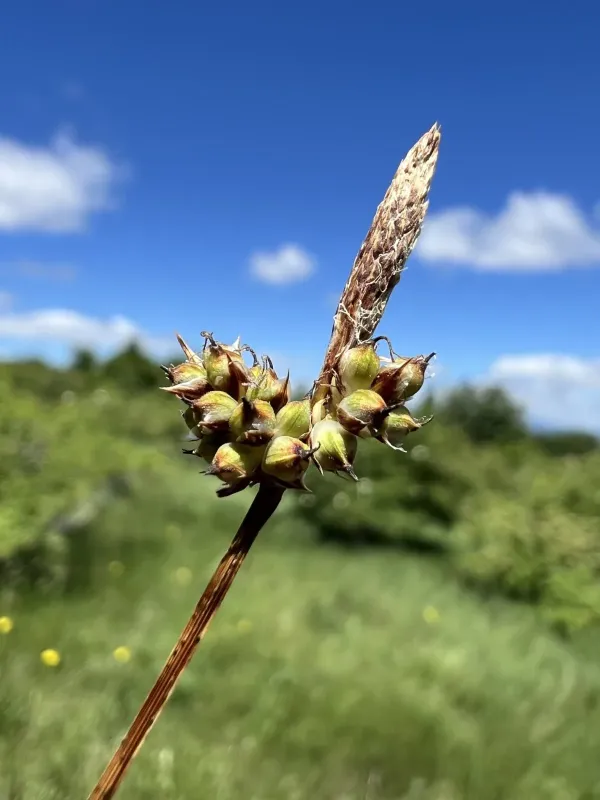
Description
Growing requirements
Fritsch's sedge (Carex fritschii) is a perennial herbaceous plant belonging to the Cyperaceae family. It is recognized for its rhizomatous growth habit, which allows the plant to form dense clusters or mats, contributing to its stability in various environmental settings.
The native range of this species covers parts of Central and Eastern Europe. It typically inhabits deciduous woodlands and forest margins, showing a clear preference for habitats that offer partial shade and a consistent, albeit not excessive, supply of soil moisture throughout the growing season.
Regarding soil requirements, this sedge thrives in well-drained, nutrient-rich soils with a pH ranging from slightly acidic to neutral. It is sensitive to prolonged waterlogging in stagnant conditions, emphasizing the need for proper soil aeration in cultivated environments.
The plant demonstrates remarkable cold hardiness, enabling it to survive harsh winter conditions typical of temperate climatic zones. During the active growth phases in spring and autumn, it requires moderate climate conditions to optimize its biomass production and root system development.
In terms of agricultural and landscape utility, Carex fritschii is widely used for soil erosion control, slope stabilization, and as an ornamental component in naturalistic garden designs. Its ability to colonize and fix soil makes it an asset in sustainable land management projects.
Main diseases and pests
The primary health concerns for Fritsch's sedge involve fungal pathogens, particularly rust diseases which occur when planting density is too high and air circulation is insufficient. Ensuring proper spacing between plants remains the best preventive strategy against such infections.
Insect pests such as leaf-eating beetles and root-boring larvae may periodically impact the vigor of the plant. A proactive monitoring program combined with sustainable pest management practices is essential to maintain the structural integrity and aesthetic value of the sedge stand.