
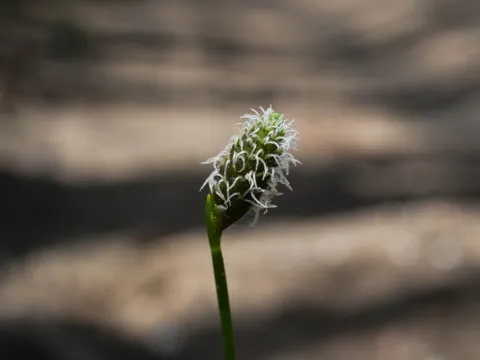
Fuirena
Fuirena
Fuirena belongs to the Cyperaceae family and is commonly known for its preference for wetland environments, functioning as an annual or perennial grass-like plant.
What the section contains
 Fuirena breviseta
Fuirena breviseta
Fuirena breviseta
 Fuirena capitata
Fuirena capitata
Fuirena capitata
 Fuirena ciliaris
Fuirena leptostachya
Fuirena leptostachya
Fuirena ciliaris
Fuirena ciliaris
Fuirena leptostachya
Fuirena leptostachya
 Fuirena pubescens
Fuirena pubescens
Fuirena pubescens
 Fuirena pumila
Fuirena pygmaea
Fuirena pygmaea
Fuirena pumila
Fuirena pumila
Fuirena pygmaea
Fuirena pygmaea
 Fuirena scirpoidea
Fuirena scirpoidea
Fuirena scirpoidea
 Fuirena squarrosa
Fuirena squarrosa
Fuirena squarrosa
 Fuirena stricta
Fuirena stricta
Fuirena stricta
 Umbrella grass
Fuirena umbellata
Umbrella grass
Fuirena umbellata
 Western umbrella-sedge
Fuirena simplex
Western umbrella-sedge
Fuirena simplex
Fuirena
Sowing should ideally occur during the beginning of the rainy season, placing seeds directly on the surface of saturated soil or wet sediment.
Germination is highly dependent on consistent moisture levels; the seeds require a light-rich environment and should not be buried deeply in the soil.
In addition to seed propagation, vegetative propagation using rhizome divisions is a highly effective method for establishing dense stands in aquatic setups.
Temperature control during the initial stages is vital, with the optimal range for successful sprout establishment being between 20 and 28 degrees Celsius.
Fuirena is a classic hydrophyte, thriving in permanently wet soils, marshlands, and areas subject to frequent or seasonal inundation by water.
The plant prefers nutrient-rich silt or muddy substrates that provide essential nitrogen and phosphorus for rapid vegetative biomass development.
Sunlight exposure is a non-negotiable requirement, as the species is intolerant of shade and requires full sun for optimal photosynthesis and structural integrity.
Climatic conditions for this genus typically align with tropical and subtropical regions where frost is absent, ensuring the plant remains active throughout the year.
The ability to filter minerals from aquatic environments makes Fuirena an excellent candidate for constructed wetlands and phytoremediation projects.
The most common threats to Fuirena include fungal pathogens that exploit high-humidity conditions, often causing stem rot and leaf blight.
Insect pests, including various larvae and specific types of weevils, can significantly damage the succulent stems and foliage during the growing season.
Hydrological instability, specifically sudden desiccation of the habitat, is the primary environmental risk that can decimate a Fuirena population.
Invasive weed encroachment poses a constant threat, as faster-growing aquatic plants can outcompete Fuirena for vital space and sunlight resources.
Effective management requires regular monitoring of water levels and prompt removal of dead biomass to prevent the spread of diseases within the colony.