
Fringed Sedge
Carex fimbriata
Description
Growing requirements
Fringed Sedge (Carex fimbriata) is a representative of the Cyperaceae family. It is a perennial herbaceous plant native to the mountainous regions of Central Asia, known for its ability to thrive in demanding alpine environments.
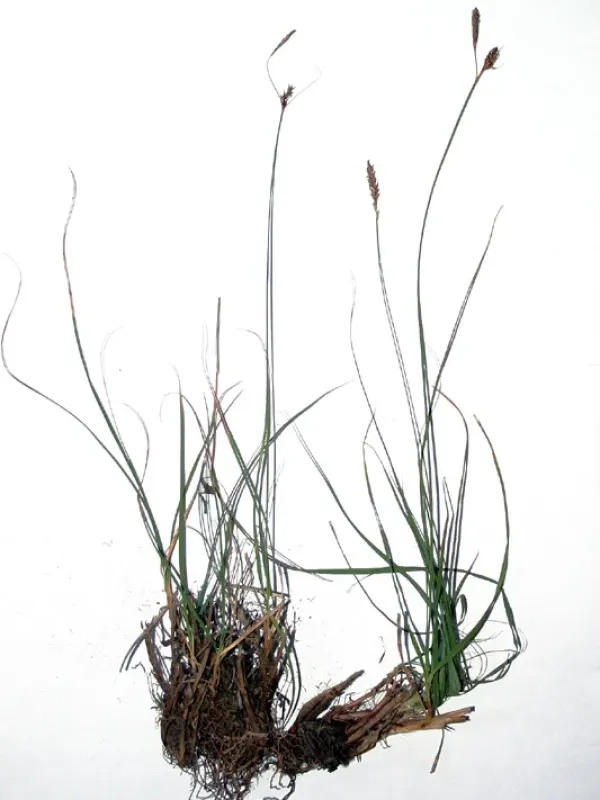
Botanically, the plant is recognized by its dense, tufted growth habit, which helps it withstand harsh weather conditions. The leaves are typically narrow and linear, adapted to minimize water loss while maintaining structural integrity.
This species requires moist, nutrient-rich soils to reach its full development potential. It is highly adapted to cool mountain climates, showing strong resilience against temperature fluctuations throughout the growing season.
In terms of agricultural practice, Carex fimbriata is utilized for soil stabilization and landscape restoration. It prefers sunny to semi-shaded locations where water availability is consistent, ensuring vigorous development of the root system.
The plant demonstrates significant cold hardiness, making it an excellent candidate for regions with severe winters. Soil quality should ideally be neutral or slightly acidic, allowing for deep root penetration and healthy growth.
Main diseases and pests
Root rot represents the primary disease threat, typically caused by waterlogged soil conditions and poor drainage. Ensuring effective water management is essential for maintaining a healthy stand of plants.
Pest pressures primarily include leaf-chewing insects that can affect the biomass production. Implementing integrated pest management strategies helps to keep pest populations at an acceptable level.
Rust fungi can occur during periods of high humidity and moderate temperatures, potentially reducing the photosynthetic capacity of the foliage. Proper ventilation through appropriate planting density is a key preventative measure.
Aphids might colonize young shoots during the peak growth stage, requiring careful observation. Early detection and targeted treatment can prevent significant damage to the crop's development.
Managing the plant density is crucial to prevent the development of mold and other pathogens within the dense tufts. Regular maintenance and proper cleanup of dead material contribute to the overall resilience of the crop.